


14K gold-filled jewelry needs gentle handling to help preserve its finish. The safest routine is simple: apply cosmetics first, remove jewelry before chemical or high-friction activities, wipe it after wearing, and store it separately once completely dry.
Quick summary

- Put jewelry on after lotions, perfume, sunscreen, and cosmetics have dried.
- Remove it before swimming, bathing, cleaning, exercising, or impact-heavy activities.
- Use a soft, clean cloth and avoid abrasive polish, harsh chemicals, and unverified cleaning dips.
- Give pearl pieces extra protection from chemicals, prolonged moisture, and abrasion.
- Ask for an inspection before attempting to repair a loose stone, damaged clasp, detached component, or changed finish.
What 14K gold-filled means
In simple terms, 14K gold-filled jewelry has a layer of 14K gold bonded to a base metal. “14K” describes the gold quality, while “gold-filled” describes the construction. It is not the same material description as solid gold, and it should not automatically be treated like every plated or gold-coloured item.
Material descriptions and quality marks are worth checking when buying precious-metal jewelry. Canada’s Competition Bureau guidance on precious-metal marking explains acceptable quality marks for certain articles made from base metal with a gold layer. This is useful buying context, but it is not a complete technical definition of every product described as gold-filled.
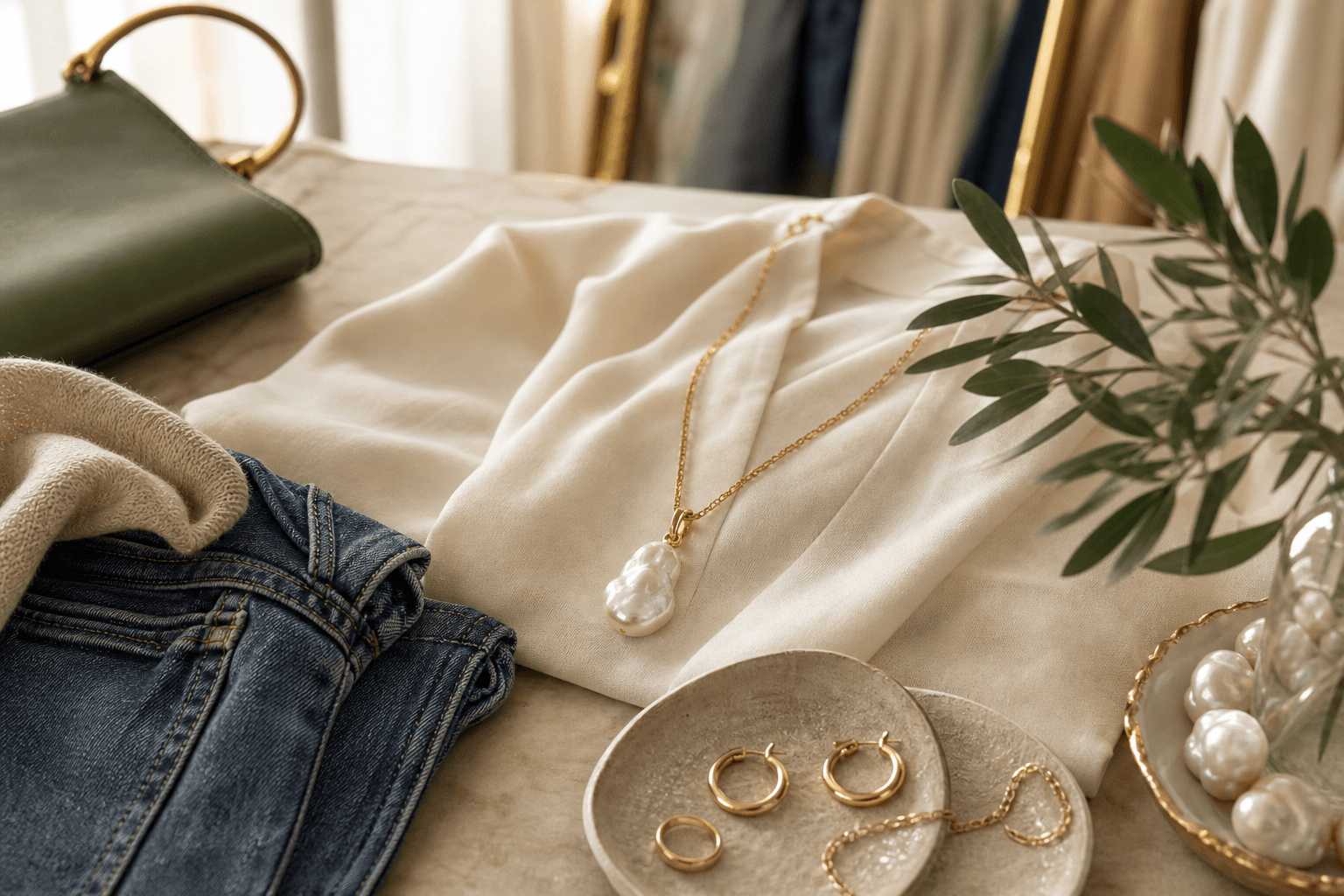
Advikosh’s collection includes items described as 14K filled gold, including freshwater pearl necklaces and baroque, round, Edison, Aurora, and hoop earrings. Since the brand also offers jewelry in other materials, check each product description rather than assuming every piece has identical care requirements.
A gentle daily-care routine

Put jewelry on last
Apply skincare, perfume, hairspray, sunscreen, and cosmetics before putting on your jewelry. Allow those products to dry fully first to reduce direct contact with substances that may leave residue or contribute to a dull appearance.
Remove it before risky activities
Take off 14K gold-filled jewelry before bathing, swimming, exercising, cleaning, gardening, or doing work that creates impact or repeated rubbing. Avoid treating it as universally waterproof or chemical-resistant. When in doubt, removal is the more cautious choice.
Wipe it after wear
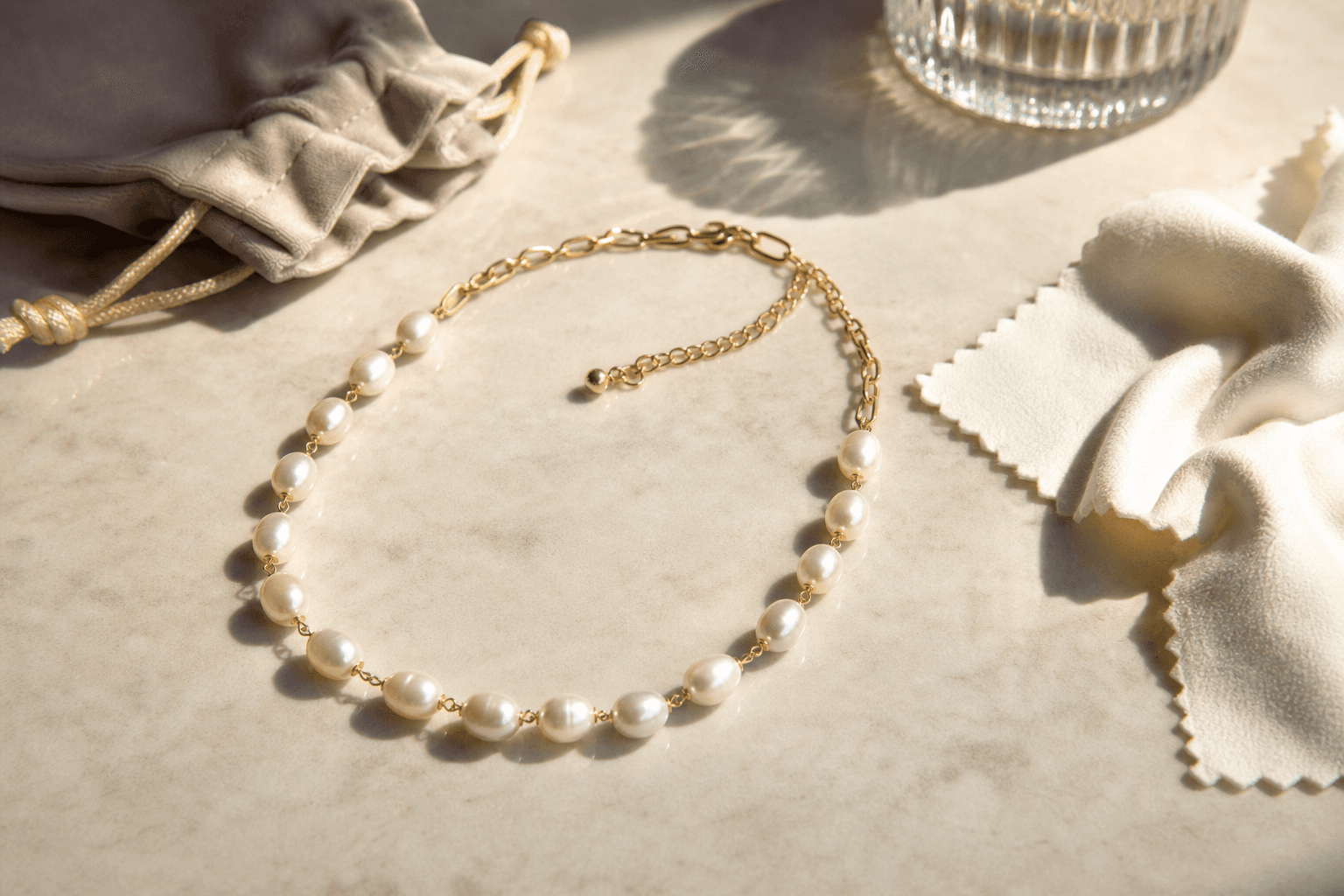
After removing the piece, gently wipe it with a soft, clean, dry cloth. Use light pressure rather than vigorous polishing. The goal is to remove surface residue without creating more friction.
Dry it before storage
If the piece has been exposed to moisture, let it dry completely before putting it away. Do not close damp jewelry in a pouch or box.
How to clean 14K gold-filled jewelry safely
For light surface maintenance, begin with a soft cloth and gentle movements. If a piece needs more than a dry wipe, use a conservative approach and avoid soaking it unless the product’s instructions specifically allow that method. Keep moisture controlled and dry every part thoroughly.
Avoid abrasive cloths, brushes, powdered cleaners, aggressive scrubbing, harsh chemicals, and unverified jewelry dips. These methods may affect the finish or damage other components. Do not use increasingly strong polish simply because the jewelry looks dull. A change in appearance may need assessment instead.
Home cleaning is appropriate for ordinary surface residue when the piece is structurally sound. Stop and seek advice if you notice a loose stone, damaged clasp, detached component, deep scratch, unusual discolouration, or evidence of chemical exposure.
Extra care for 14K gold-filled pearl jewelry
With pearl jewelry, the pearl often determines the safest routine. A metal-focused cleaning method may be unsuitable for the pearl, so use the gentlest practical approach and avoid dips, strong cleaners, and prolonged soaking.
Keep pearl pieces away from perfume, hairspray, cosmetics, household cleaners, and other chemicals. Avoid rubbing pearls against hard surfaces or storing them with metal pieces that could scratch them. Wipe them carefully after wear and allow the entire piece to dry before storage.
Advikosh lists freshwater, baroque, Edison, Aurora, and round pearl styles in 14K filled gold. These designs are not necessarily identical in construction, so follow product-specific information where available. If you are uncertain, contact the jeweller before using anything stronger than a soft cloth.
Storage and everyday habits that reduce damage
Store each piece separately in a soft pouch or compartment where it will not rub against harder jewelry. Fasten chains loosely enough to reduce tangling, and avoid placing earrings, necklaces, and bracelets in one pile.
Before wearing a piece, check its clasp, hooks, earring backs, and visible connections. This quick inspection may help you notice a problem before a component catches on clothing or falls away. Remove jewelry for activities involving rough surfaces, equipment, or repeated contact.
What to avoid
- Unnecessary exposure to perfume, cosmetics, cleaning products, or other chemicals.
- Swimming, bathing, exercise, or high-impact work when moisture and friction cannot be controlled.
- Abrasive products, aggressive scrubbing, or unverified chemical dips.
- Storing jewelry while damp or loose with harder pieces.
- Modifying, resizing, or adding components without professional advice.
- Third-party repairs if you may later request a policy-based service.
- Assuming replating will fix a broken clasp, missing stone, scratch, or structural problem.
These precautions also matter for policy eligibility. Advikosh’s lifetime plating policy states that excessive damage, chemical exposure, improper care, modifications, or unauthorized repairs may affect eligibility.
Home care, minor repair, or replating?
| Situation | Next step | Limitation |
|---|---|---|
| Light residue or fingerprints | Gently wipe with a soft, clean cloth | Do not scrub or use harsh chemicals. |
| Loose stone, clasp, hook, earring back, or minor detached component | Request an inspection for possible minor repair | Coverage depends on inspection and policy terms. |
| Dull or changed finish without obvious structural damage | Ask whether eligible replating is appropriate | Inspection is required and shipping costs may apply. |
| Missing stone, major resizing, broken chain, reconstruction, or severe damage | Request an assessment before repair | These are not included in complimentary minor repair or replating. |
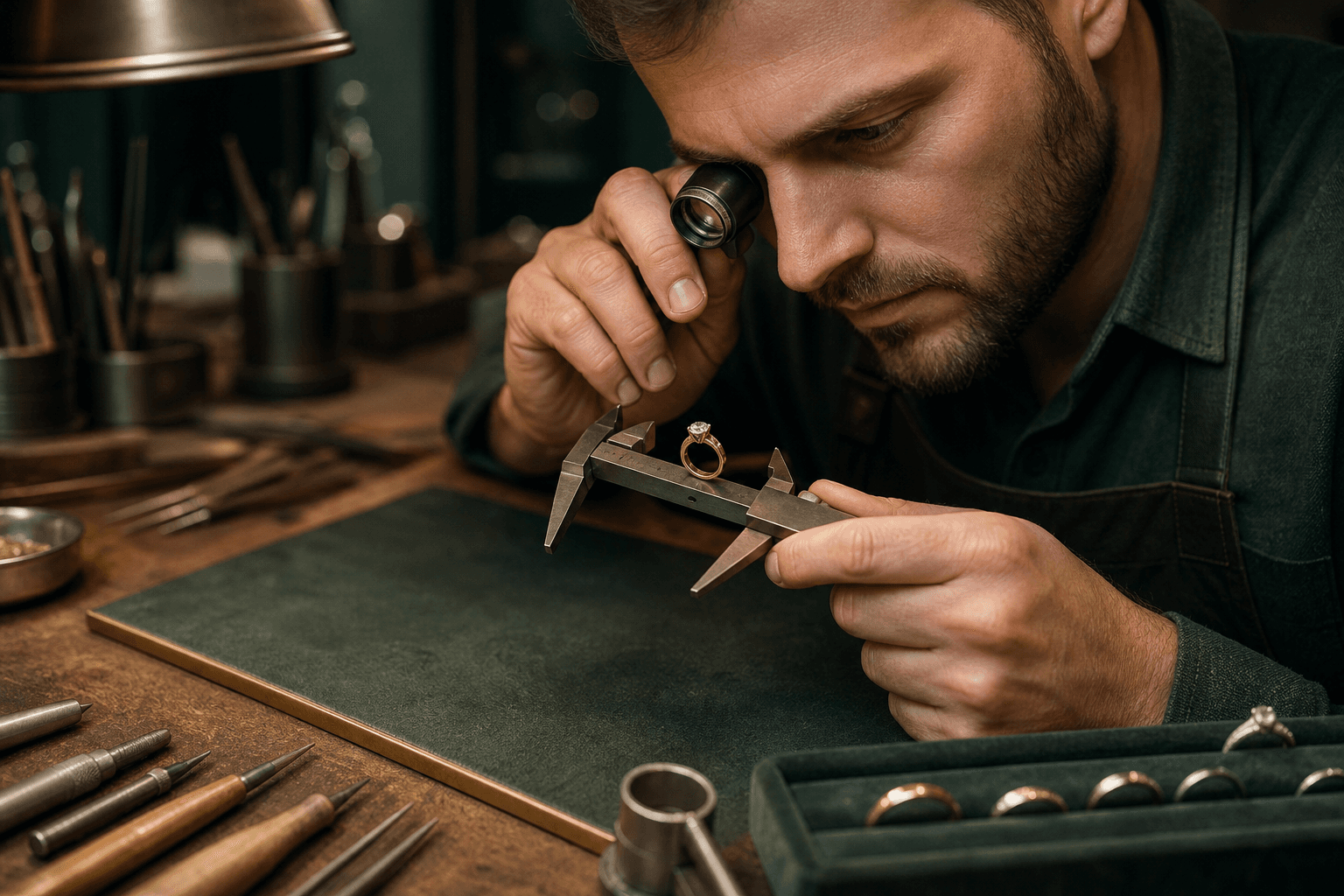
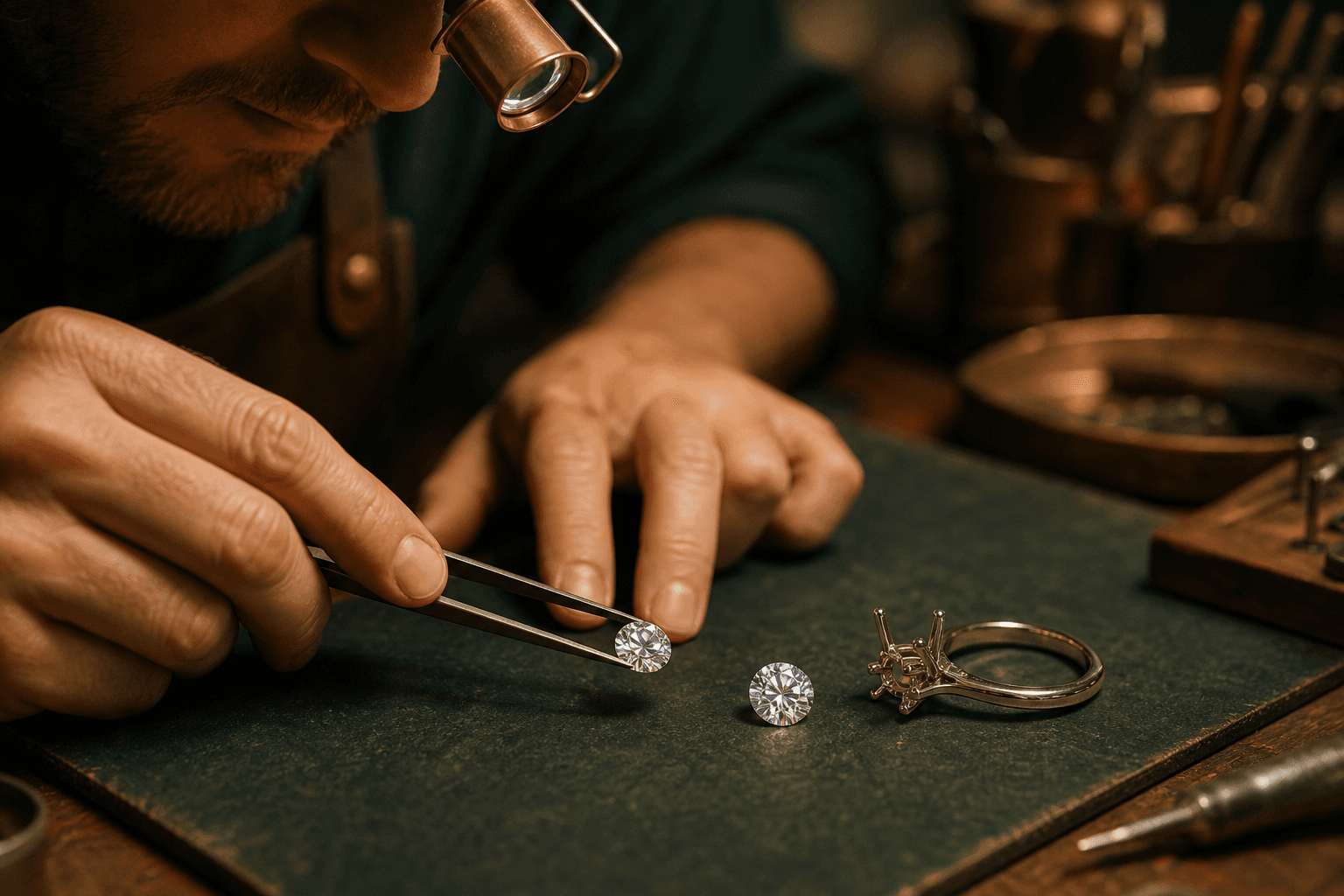
Advikosh offers complimentary minor repairs on eligible jewelry purchased directly from the company. Examples include tightening loose gemstones, repairing clasps, jump rings, hooks, and earring backs, reattaching minor components, and basic cleaning and inspection.
Advikosh also offers complimentary lifetime gold and rhodium replating for eligible jewelry purchased directly from the company, subject to inspection and policy conditions. Replating addresses an eligible finish concern. It does not include repairs, stone replacement, resizing, polishing of damaged components, or reconstruction.
When to contact Advikosh before doing more
Contact the jeweller before cleaning further if the piece has been exposed to chemicals, the finish has changed noticeably, a stone moves, a clasp is failing, or a component has detached. Professional inspection is also sensible when you cannot tell whether a mark is residue, wear, or physical damage.
Do not attempt an unauthorized repair or modification first. Advikosh’s policies state that misuse, neglect, improper care, unauthorized modifications, and third-party repairs may affect eligibility. Its FAQ also provides ordering, customization, WhatsApp, and email support information.
A simple care checklist
- Apply personal-care products first and let them dry.
- Put jewelry on last and remove it before chemical, wet, high-friction, or high-impact activities.
- Wipe the piece gently after wearing it.
- Use conservative cleaning methods and avoid abrasives.
- Protect pearls from chemicals, soaking, and abrasion.
- Dry every part completely before storage.
- Keep each piece separate from harder jewelry.
- Check clasps, stones, hooks, and connections periodically.
- Ask for inspection before attempting repair or replating.
Frequently asked questions
Can 14K gold-filled jewelry be cleaned at home?
Yes. Light residue can generally be addressed with a soft, clean cloth and gentle handling. Avoid abrasive cleaners, harsh chemicals, aggressive scrubbing, and unverified dips. If the piece has pearls or visible damage, seek product-specific advice first.
How should I care for gold-filled jewelry with pearls?
Remove it before applying chemicals or entering wet, high-friction environments. Wipe it carefully after wear and store it dry and separately. Avoid prolonged soaking and products that may affect the pearls or finish.
What if my gold-filled jewelry looks dull?
Start with a gentle dry wipe, but do not assume stronger polishing will help. If the appearance does not improve, request an inspection. Eligible replating may address some finish concerns, subject to policy terms.
Does lifetime replating repair scratches, broken clasps, or missing stones?
No. The lifetime plating policy excludes repairs, stone replacement, resizing, polishing of damaged components, and reconstruction. A broken clasp or detached component may require assessment under the minor repair policy.
Should I repair it myself?
It is safer not to modify, resize, solder, or repair the piece yourself if you may request policy-based support. Unauthorized repairs or modifications may affect eligibility.
Conclusion
Good 14K gold-filled jewelry care is mainly about preventing avoidable exposure and friction. Wear each piece thoughtfully, wipe it gently, keep it dry, store it separately, and handle pearls with additional caution. When the issue is more than surface residue, inspection is preferable to experimenting with chemicals or home repairs.
Advikosh offers 14K filled gold pearl jewelry alongside support for eligible minor repairs and replating requests. To browse the collection or ask about care and service options, visit Advikosh.