

How to use this checklist
This checklist is written for Canadian shoppers deciding whether to buy or commission unique treasures, especially jewelry made with pearls, moissanite, gold, or sterling silver. Use the seven numbered checks when evaluating a single piece or a custom commission. For each item you will find a short explanation, a direct question to ask the seller, and one concrete verification step you can take before you commit.
When buying from a Canadian seller, confirm local details such as pricing in CAD, shipping, return windows, taxes, and customer support hours. For example, Advikosh lists pricing in CAD and highlights free shipping, 24/7 online support, and one free return or exchange within seven days. Those are the kinds of policies that reduce online purchase risk for Canadian buyers.
1. Provenance and origin
Why it matters: Provenance is the documented history of an item. It helps you decide whether a piece is genuinely unique, how it should be conserved, and what value others may place on it later. A strong provenance can include maker information, prior owners, and dated sales records. Museums and heritage toolkits recommend asking whether an item is rare or replaceable and taking extra care with objects that are irreplaceable.
Question to ask the seller: "Can you provide written provenance or ownership history for this piece, including when and where it was made?"
Verification step: Request original invoices, prior appraisals, dated photographs, archival labels, or any paperwork the seller holds. For vintage or auction items, ask the seller to share provenance notes and to identify gaps in the record. If a seller tells a story about an item's origin, ask for specific facts you can check independently, such as maker names or previous sale dates. For more on how provenance matters when evaluating family treasures, see the Family Treasures toolkit at the National Museum of African American History and Culture.
2. Materials and certification
Why it matters: Exact material information affects durability, cleaning, insurance, and resale value. Metals vary by purity and plating, and stones have distinct identities and properties. For example, moissanite is a durable diamond alternative with different optical behaviour than diamond. Knowing whether a piece is solid gold, gold filled, gold plated, or vermeil changes how it wears over time.
Question to ask the seller: "What are the exact materials and any certifications for the metal and stones, and can you provide written proof or lab reports?"
Verification step: Ask for photos of metal hallmarks or maker marks, close-up images of stones under magnification, and any third-party certificates. If the seller cannot provide a lab report for a gemstone, request a note describing the testing method used or ask for an independent test. Many bespoke sellers provide a clear material breakdown before production, so insist on written confirmation of metals, stone type, and any plating or finishes.
3. Craftsmanship and construction

Why it matters: Construction details determine how a piece will perform with wear. Look for secure settings, neat solder work, consistent finishing, and sturdy joins. A well-made piece will need less maintenance and will retain its appearance longer.
Question to ask the maker: "Can you describe the construction methods and show close-up images or a short video of the finished piece, including joints, settings, and any hallmarks?"
Verification step: Request high-resolution images of problem areas such as prongs, clasps, and links, and ask for a short video that demonstrates how the piece sits, moves, and flexes. For custom work, ask to see photos of comparable finished pieces or a sample showing the finish. Examine images for secure, even prongs, smooth soldering, and uniform polishing. If a seller cannot demonstrate those aspects, treat that as a potential risk.
4. Claimed uniqueness and reproducibility
Why it matters: Marketing language such as "unique" or "limited" can be used loosely. Distinguish between a true one-off, a limited edition, and a made-to-order design. Your expectation of future availability, collectibility, and price stability depends on which category the item falls into.
Question to ask the seller: "Is this a one-off piece, a limited edition, or part of a repeatable design, and can you confirm that status in writing?"
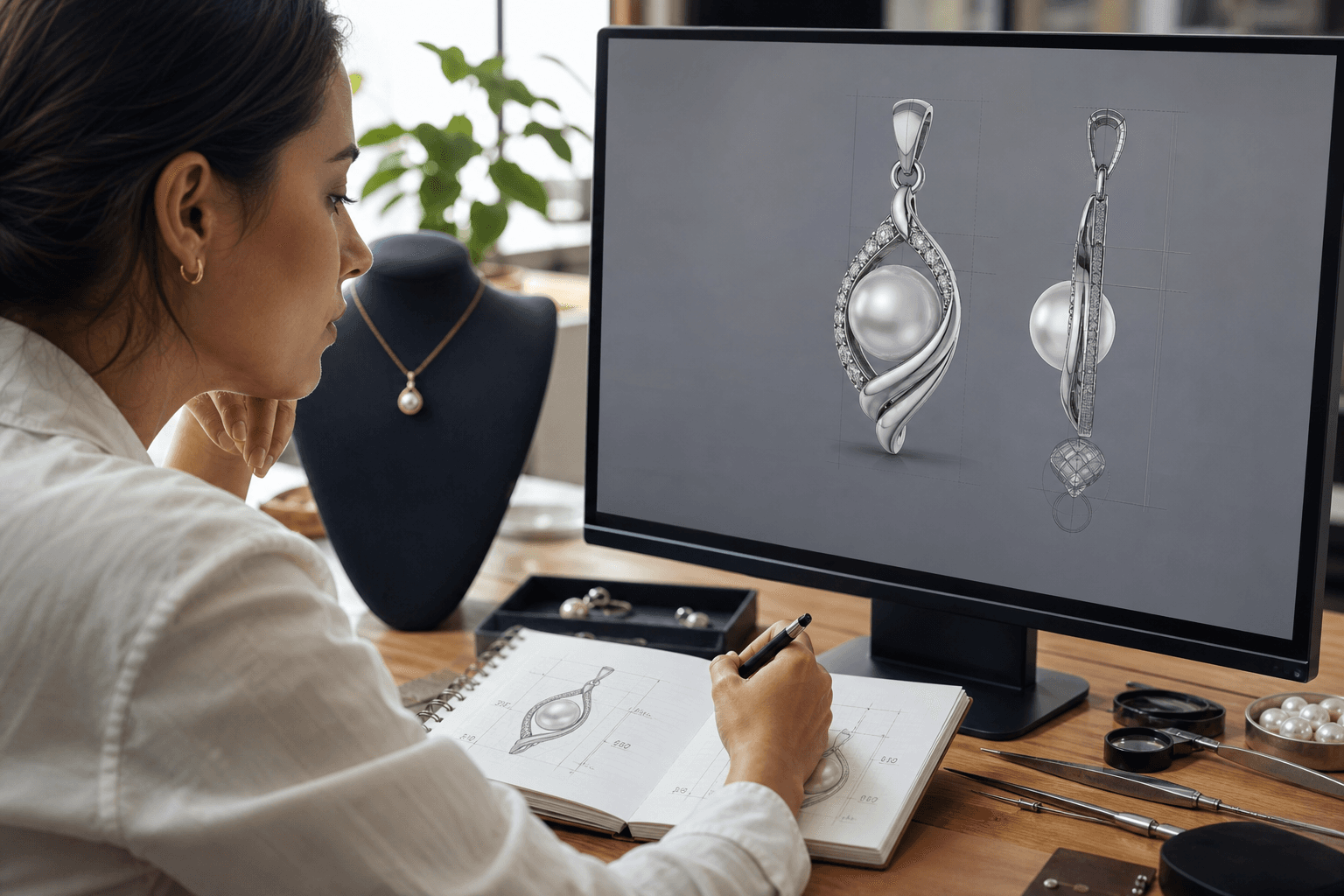
Verification step: Ask for signed design sketches, a numbered certificate for limited editions, or a production number to confirm exclusivity. If a seller uses terms like "made to order," ask how many identical pieces will be produced and whether the maker will sign or date the original. Bespoke shops often record exclusivity in the project paperwork; require the same level of precision for your purchase. For examples of bespoke sellers clarifying these terms, see the FAQ at Bespoke Treasures Emporium and art-buying tips from studios such as Areeti Studio.
5. Written quote, revisions, and timelines for custom work
Why it matters: Custom commissions change in scope as decisions are made. A written pre-production quote protects you by listing what is included, how many revisions are allowed, and what happens to deposits if you cancel. It also clarifies timelines so you can plan for events like weddings or anniversaries.
Question to ask the seller: "Can you provide a written quote that lists materials, labour, taxes, shipping, allowed revisions, and what is refundable if I cancel?"
Verification step: Insist on a signed agreement or confirmation email before fabrication begins. The document should show materials and grades, labour charges, lead times, payment schedule, the number of permitted revision rounds, and cancellation terms. Many bespoke sellers will not start without this paperwork, so treat a refusal to provide a written quote as a clear warning sign.
6. Shipping, returns, and buyer support

Why it matters: Shipping damage, unexpected customs duties, and restrictive return policies are common sources of buyer regret. Understand how the seller handles insurance, transit damage, sizing issues, and returns so you are not surprised after delivery.
Question to ask the seller: "What are your shipping, insurance, and return policies for this piece, and how do you handle damage in transit or sizing problems?"
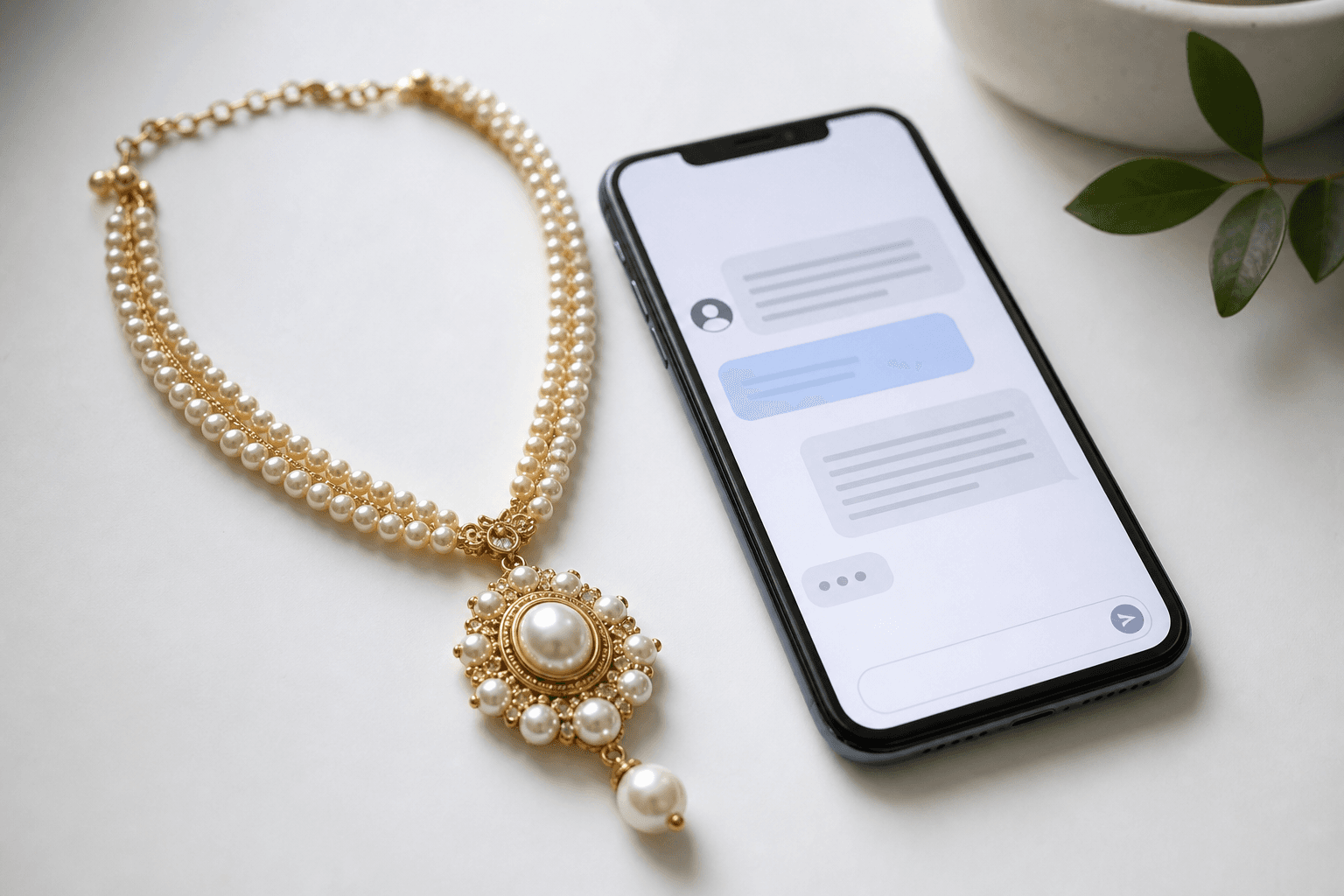
Verification step: Save a screenshot of the seller’s policy and the chat transcript where those points are confirmed. Request explicit instructions for filing a damage claim and ask whether the quoted price includes GST or HST. If free shipping or free returns are promised, confirm the exact conditions. For example, Advikosh advertises free shipping on all orders and a free return or exchange within seven days, so make sure the order confirmation repeats those terms.
7. Trust signals and seller reputation
Why it matters: Trust markers let you assess whether a seller reliably produces quality work and stands behind purchases. Look for recent verified reviews, an active Google Business profile, clear contact information, and examples of finished work with customer feedback.
Question to ask the seller: "Can you point me to recent customer reviews and provide references or a store profile where I can check responses to past feedback?"
Verification step: Check online reviews and the seller’s business listing, and verify that the seller responds to negative feedback. Save screenshots of reviews and replies so you have a record of responsiveness. An active, responsive profile and verified customer photos reduce risk compared with anonymous listings or sellers who decline to share references.
Next steps and where to get help
Put these seven questions into an email or chat message before you commit. Ask the seller to attach or link the requested documents and media and keep a copy of every pre-production quote, policy screenshot, and chat transcript. For custom commissions, insist on a signed agreement and a clear revision policy before the maker begins work.
If you would like to explore bespoke options or request a written quote, contact the seller’s custom service. For example, Advikosh offers a Custom Jewelry service under the phrase "Your design, our craftsmanship" and lists online support and order policies on its site at Advikosh.
Frequently asked questions
What exactly is provenance and what documents prove it for jewelry?
Provenance is the documented history of an item, including origin, maker, prior owners, and sale history. Helpful documents include original invoices, prior appraisals, certificates of authenticity, dated photographs, and archival labels or maker’s marks. Ask the seller to supply whatever records exist and to explain any gaps clearly.
What should a clear custom-jewellery quote include before production begins?
A clear quote should list materials and grades, labour charges, shipping and insurance, taxes, the number of permitted revisions, the payment schedule, cancellation terms, and estimated timelines. Require that the seller confirm these items in writing or in a signed agreement before fabrication starts.
How can I tell moissanite from a diamond without a lab report?
Moissanite shows different optical effects than diamond, such as stronger fire and double refraction that can be visible under magnification. Without a lab report, ask the seller for a gemologist inspection, close-up photos under consistent lighting, or a note from a qualified jeweller who tested the stone. When in doubt, request a third-party test and certificate.
Which seller policies should make me hesitate to buy a unique piece online?
Be cautious if a seller refuses to provide written material details, will not give a pre-production quote for custom work, lacks a return or damage policy, or has no recent verified reviews. Also be wary if a seller refuses to provide close-up images or proof of construction for a claimed unique piece.
Ready to request a written quote or discuss custom options with Advikosh?
Talk with Advikosh
Contact Advikosh to ask about the next step and confirm which options fit your needs.