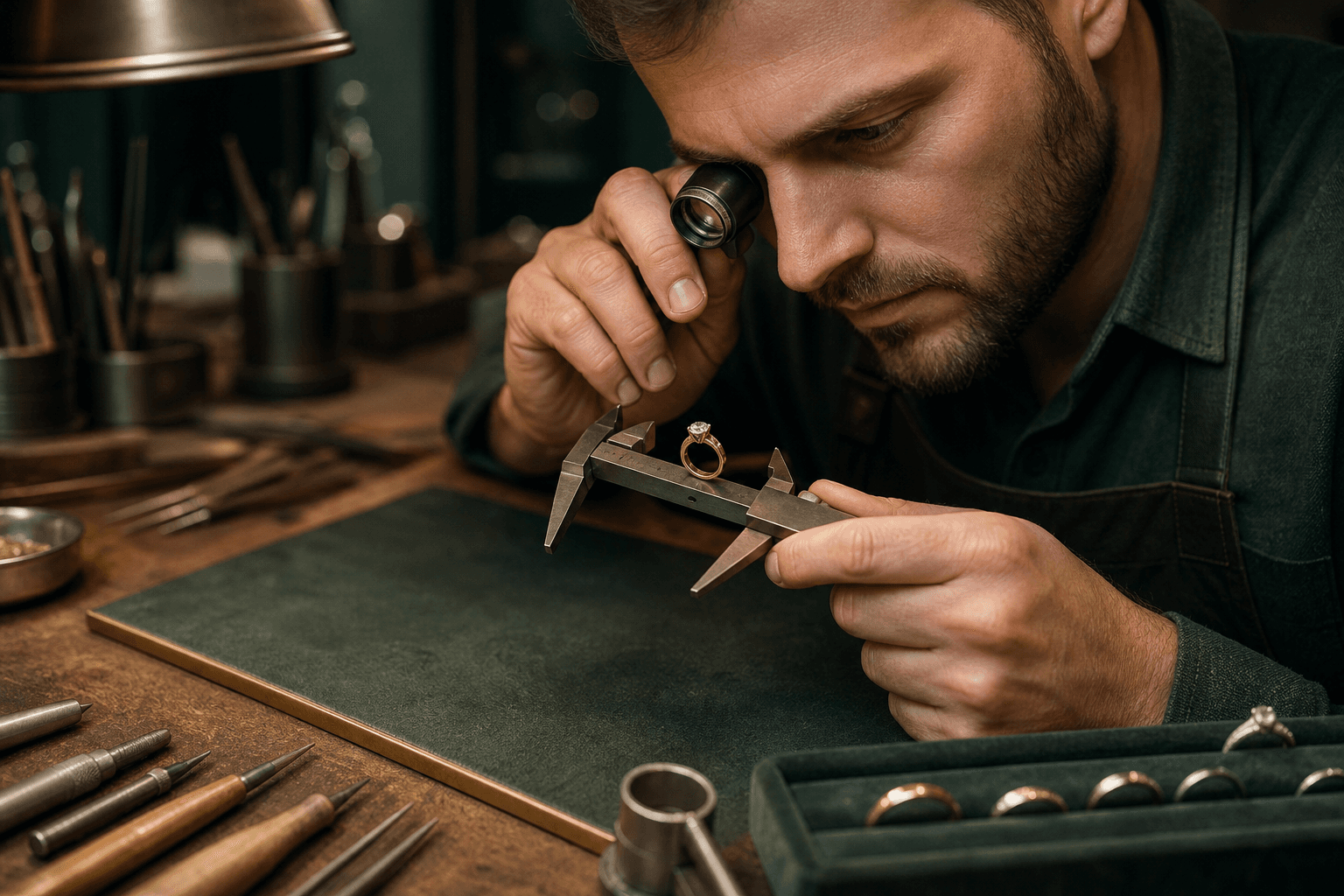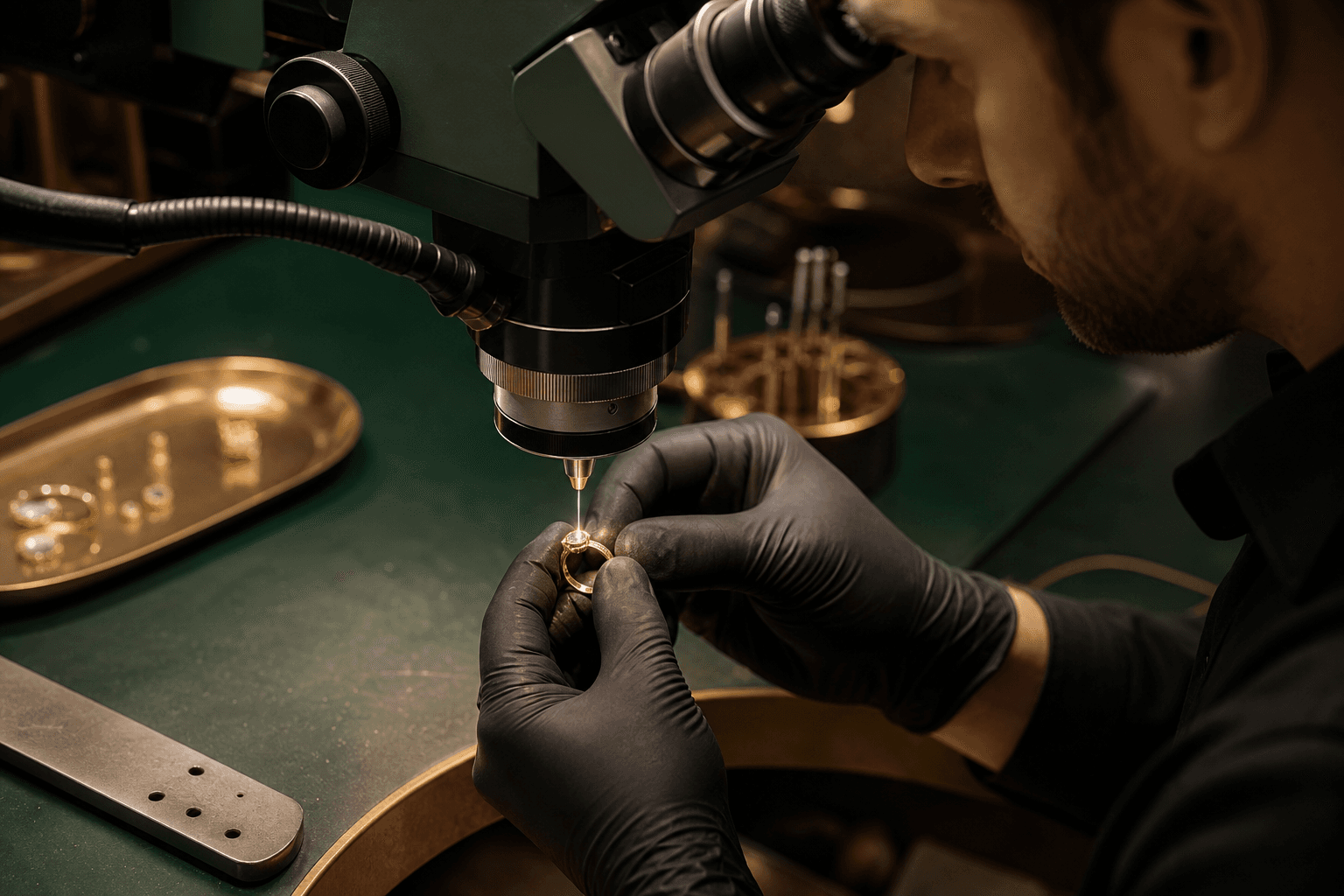



Custom lifetime-plated jewelry usually means a personalized piece with a plated outer finish and a policy that may allow future replating. It does not automatically mean the colour will never change, that the finish cannot wear, or that every repair is included for life.
Before ordering, assess four separate things: the design, underlying metal, plating details, and written policy. Canadian guidance describes gold-plated items as jewellery covered with a layer of gold applied through an appropriate process, with gold-plated items requiring a layer of at least 10K. The seller’s terms determine what its “lifetime” promise actually covers.
What does lifetime plating mean?
Plating is a surface layer applied over another material. With a custom piece, the shape and details may be made to your specifications, while the visible colour or finish comes from the plating layer rather than solid material throughout the piece.
A lifetime plating or replating policy generally refers to ongoing support for restoring that surface under stated conditions. “Lifetime” may refer to the life of the original owner, the product, or a period defined by the seller. It may also cover only particular wear and exclude misuse, accidents, chemicals, resizing, or alterations.
“Custom lifetime-plated jewelry” is not a standard regulated Canadian product category. More useful buyer-facing terms include custom jewelry with lifetime plating, gold-plated jewelry with a lifetime replating policy, or complimentary lifetime replating. Read the policy rather than relying on the label.
Separate the jewellery’s base material from its plated surface

The most important distinction is between what the piece is made from underneath and what you see on top. A gold-coloured custom ring, pendant, or pair of earrings could have a base of sterling silver, another metal, or a different material, with a separate gold-coloured layer applied to its surface.
Ask for these details in writing:
- Base metal: What material forms the structure of the piece?
- Plating material: Is the finish gold, rhodium, or another metal?
- Plating thickness: How thick is the layer, and is the measurement provided in microns?
- Coverage: Does the policy apply to the entire piece, visible areas, or selected components?
- Construction: Are stones, clasps, hinges, chains, and soldered areas treated differently?
Thickness is only one part of durability. Areas that rub against skin, clothing, desks, or other jewellery may experience more contact than protected surfaces. Discuss high-friction designs before production, especially when the piece is intended for everyday wear.
Compare plated custom jewellery with other material options
The following is general buying guidance, not a description of every Advikosh product. The best option depends on the look you want, how often you will wear the piece, maintenance expectations, and the written terms for that design.
| Option | What you are buying | Best suited to | Questions to ask |
|---|---|---|---|
| Custom plated jewellery | A personalized design with a surface layer over a base material | Buyers prioritizing a particular finish and personalization | What is the base metal, plating thickness, and replating coverage? |
| Gold-filled jewellery | A base metal joined to a thicker layer of gold than ordinary plating | Buyers seeking a gold finish with different construction | What composition and marking apply, and how is wear handled? |
| Sterling silver jewellery | A silver-based piece without a gold-plated surface unless separately finished | Buyers who like silver’s natural appearance | What care is recommended, and which parts are sterling silver? |
| Solid gold jewellery | Gold alloy throughout the relevant material | Buyers prioritizing the underlying precious-metal material | What karat is it, and which parts are solid gold? |
Plated jewellery can provide design flexibility and a desired colour without requiring the entire piece to be made from the finishing metal. Solid gold offers a different long-term material proposition, but may involve a higher purchase price and still requires care.
Questions to ask about a lifetime plating policy
Ask for the complete policy before paying a deposit or approving production. Ontario warranty guidance recommends checking what a warranty covers, what damage is excluded, and whether the promise comes from the store or manufacturer. Canadian consumer guidance also recommends keeping receipts and product information for claims.
- Does “lifetime” mean free replating, or only that the service remains available at a charge?
- How many replating services are included?
- Does normal wear qualify, and how is it defined?
- Are scratches, dents, chemicals, accidental damage, tarnishing, or discolouration excluded?
- Does the policy cover only plating, or also chains, stones, clasps, and prongs?
- Are resizing, engraving, alterations, or third-party repairs excluded?
- Must the piece be inspected before eligibility is confirmed?
- Who pays for shipping, insurance, and return delivery?
- What documentation is required for a claim?
A policy that says “lifetime plating” without answering these questions leaves important costs unclear. Treat the written terms as part of the product.
How custom design approval fits into the order
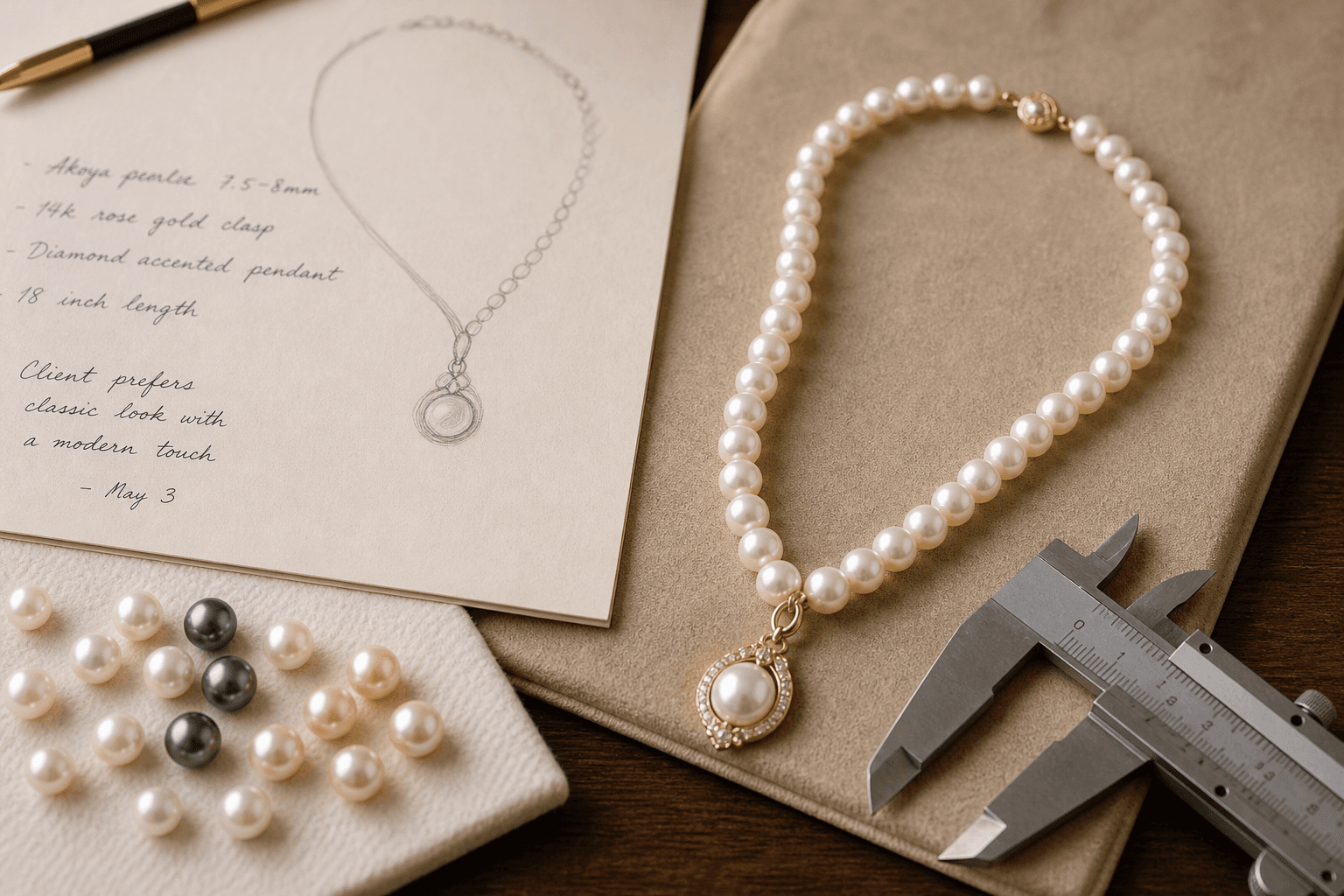
Custom design begins with a clear brief. Gather the jewellery type, preferred metal or finish, approximate dimensions, stone preferences, budget, occasion, and expected wear. If the design is based on an existing idea, identify which details are essential and which can be adapted for comfort or strength.
Advikosh states that its custom jewellery service is built around “Your design, our craftsmanship.” Its FAQ addresses creating jewellery from a customer’s own design, sketch, or photo, and whether the customer can approve the design before production. Ask what approval format will be provided and whether changes are possible afterward.
Before production, confirm the final design in writing, including material, finish, dimensions, stones, engraving, closure, price, and applicable replating terms. Do not assume a verbal discussion changes the written order.
Set realistic expectations for wear and maintenance
A plated surface is not the same as solid precious-metal construction. Friction, moisture, cosmetics, cleaning products, perspiration, and hard surfaces may affect a finish over time. Wear depends on the design, wearer, contact, and supplied care instructions.
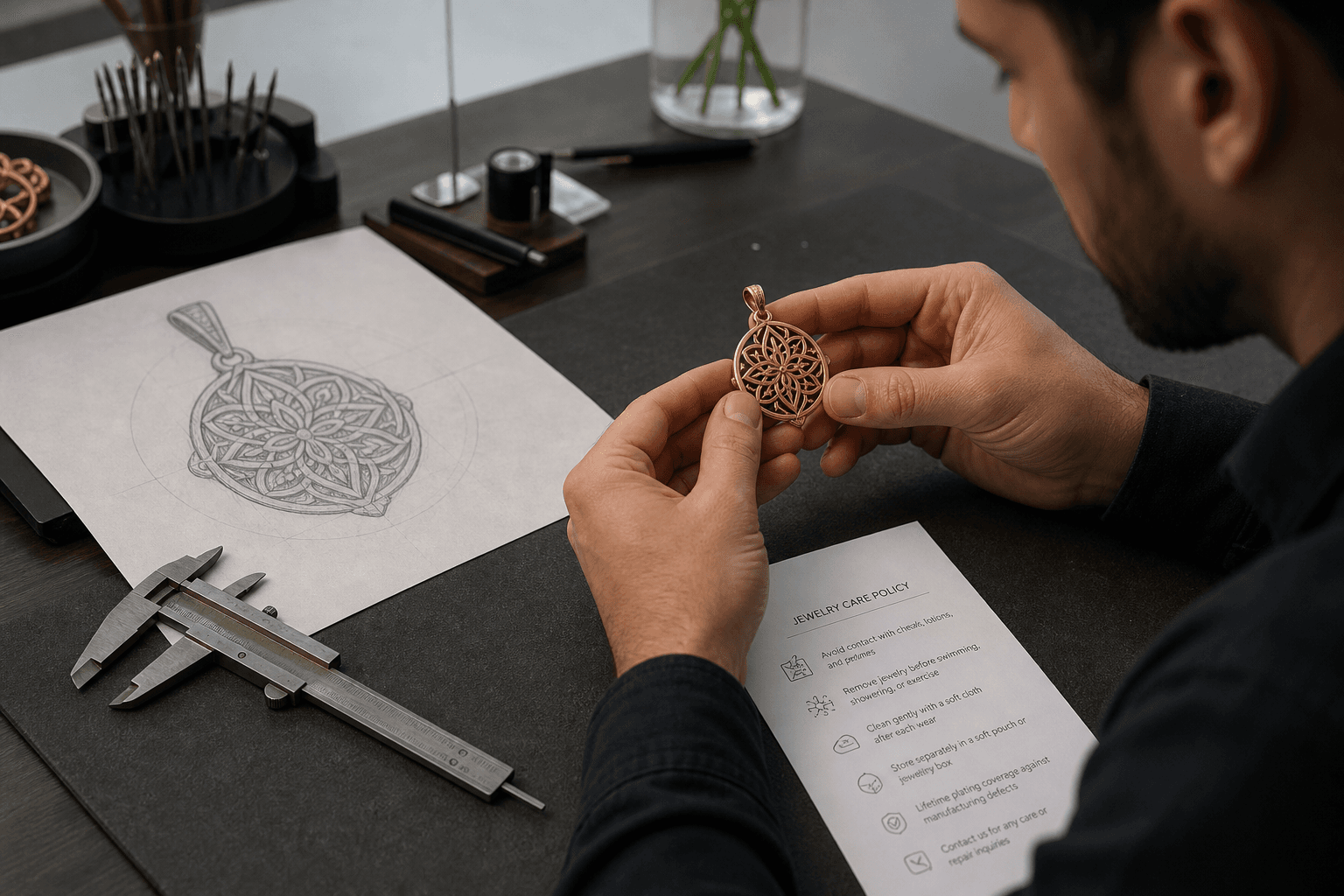
Unless the policy says otherwise, remove jewellery before bathing, swimming, exercising, applying cosmetics, or using household chemicals. Store pieces separately so they do not rub against one another.
Replating restores a surface. It does not necessarily repair a bent component, replace a lost stone, correct a poor fit, or rebuild a damaged chain. Ask whether the piece must be structurally sound before replating.
Pre-purchase checklist for custom lifetime-plated jewelry
- Design: Have you supplied the sketch, photo, measurements, or concept clearly?
- Approval: Will you approve the final design before production?
- Base material: Is the underlying metal identified for important components?
- Finish: Is the plating metal and colour stated?
- Thickness: Is the plating thickness provided, and does it cover the whole piece?
- Markings: Are precious-metal claims and markings explained? Canadian precious-metal marking requirements provide useful context.
- Policy: What does lifetime cover, and what is excluded?
- Repairs: Are minor repairs, stone work, resizing, and replating separate?
- Shipping: Who pays to send the piece for service and return it?
- Records: Will you receive a receipt, order specification, policy, and care instructions?
- Returns: How do return or exchange terms apply to custom production?
Save the final correspondence, approved design, invoice, care instructions, and policy together. These records can help establish what was ordered and which terms applied.
When should you choose lifetime-plated custom jewelry?
Custom jewelry with lifetime plating may suit you if personalization and a particular colour matter more than owning the same precious metal throughout the piece. It can also work when you accept periodic care and the replating terms fit your expected use.
Consider solid gold or another unplated construction if you expect heavy daily wear, prefer fewer finish-related decisions, or do not want future service to depend on a plating policy. Gold-filled or sterling silver may also be worth comparing.
There is no universal winner. Choose the option whose material, design, maintenance needs, price, and written aftercare policy match how you will actually wear the jewellery.
Frequently asked questions
Does lifetime plating mean the colour will never wear off?
No. It usually describes a service for restoring the plated surface, subject to eligibility and exclusions. It is not a promise that the finish is permanently wear-proof.
Is replating the same as repairing custom jewelry?
No. Replating renews the surface finish. A broken chain, loose stone, damaged clasp, bent setting, or resizing request may require a separate repair assessment.
What should I ask about plating thickness?
Ask for the thickness in microns, covered areas, plating metal, and whether the measurement applies consistently to the entire piece. Also ask how it relates to care and replating terms.
Can I submit my own sketch or photo?
Advikosh’s FAQ addresses creating jewellery from a customer’s own design, sketch, or photo. Confirm how the reference will be adapted and which changes could affect price or policy.
What records should I keep for a claim?
Keep the receipt, order confirmation, approved design, material details, care instructions, policy, and service correspondence. Canadian consumer guidance recommends retaining receipts and product information.
Conclusion: Choose the policy and material together
Evaluate custom lifetime-plated jewelry as a complete package. Confirm the base material and finish, understand likely wear, decide whether plated jewellery suits your routine, and read the replating and repair terms before approving production.
Advikosh offers custom jewellery design and fabrication, including questions about sketches, photos, and design approval. Its supplied business information also identifies lifetime plating and free minor repair among its policies. To discuss a personalized piece and clarify the applicable terms, visit Advikosh.