


Lifetime jewelry plating usually means access to a future replating service under specific conditions. It does not necessarily mean the original finish will never wear, that every piece qualifies, or that repairs are included.
Advikosh offers complimentary lifetime gold and rhodium replating for eligible jewelry purchased directly from Advikosh. Before relying on that benefit, review the piece's condition, understand the exclusions, and obtain approval before sending it for service.
Quick summary

- Lifetime plating is a maintenance service, not a promise of permanent wear.
- Advikosh requires inspection and approval before replating eligible jewelry purchased directly from the brand.
- Normal wear may be covered, while excessive damage, chemical exposure, improper care, modifications, or unauthorized repairs may affect eligibility.
- Replating does not include repairs, stone replacement, resizing, polishing damaged components, or reconstruction.
- Customers are responsible for shipping costs unless Advikosh states otherwise, and processing times can vary.
First, understand what “lifetime plating” means
Plating is a finish applied over another material. With use, that surface can change or wear, particularly where jewelry receives frequent friction or comes into contact with substances that affect its finish. Replating applies a new finish to restore appearance, subject to the provider's assessment.
The word “lifetime” describes the availability of a service under a policy. It should not automatically be read as a fixed number of years, unlimited approvals, permanent durability, or coverage for every type of damage. The eligibility rules matter more than the label.
For Advikosh customers, the policy provides complimentary lifetime gold and rhodium replating on eligible jewelry purchased directly from Advikosh. The jewelry must be inspected and approved before service proceeds.
What the service covers and what it does not

Read a lifetime plating policy as a service boundary. It explains which finish-related work may be available and which problems require separate confirmation or are expressly excluded.
| Policy area | What to understand |
|---|---|
| Gold replating | May be available when an eligible piece requires a gold finish refresh and passes inspection. |
| Rhodium replating | May be available when an eligible piece requires a rhodium finish refresh and passes inspection. |
| Normal wear | The policy states that replating services cover normal wear only. |
| Inspection and approval | Required before replating. Eligibility is not automatic. |
| Repairs or structural damage | Not included in the lifetime plating service. |
| Stone replacement and resizing | Not included. |
| Damaged-component polishing | Not included where the component is damaged. |
| Reconstruction | Not included. |
| Shipping | The customer is responsible for sending and receiving shipping costs unless Advikosh states otherwise. |
| Processing time | May vary according to the jewelry's condition and complexity. |
A finish that has changed through ordinary use may be a replating question. A bent setting, missing stone, broken component, or altered design may require a separate assessment. Do not assume that sending a damaged item for replating will restore its structure.
Check eligibility before sending your jewelry
Start with the purchase history. The policy applies to eligible jewelry purchased directly from Advikosh, so a piece bought elsewhere should not be treated as covered simply because it has a similar colour or finish.
Next, consider the item's condition. Normal wear is within the stated scope, but excessive damage, chemical exposure, improper care, modifications, and unauthorized repairs may void eligibility. Disclose these factors rather than trying to conceal or correct them first.
Finally, wait for inspection and approval. Advikosh reserves the right to determine eligibility, making approval the practical stop point before you package and send the jewelry.
Follow this pre-replating checklist
Use this sequence whenever the finish appears worn or uneven. If an answer raises uncertainty, stop and ask for confirmation before shipping.
- Confirm the purchase source. Check that the item was purchased directly from Advikosh and gather order information that may identify it.
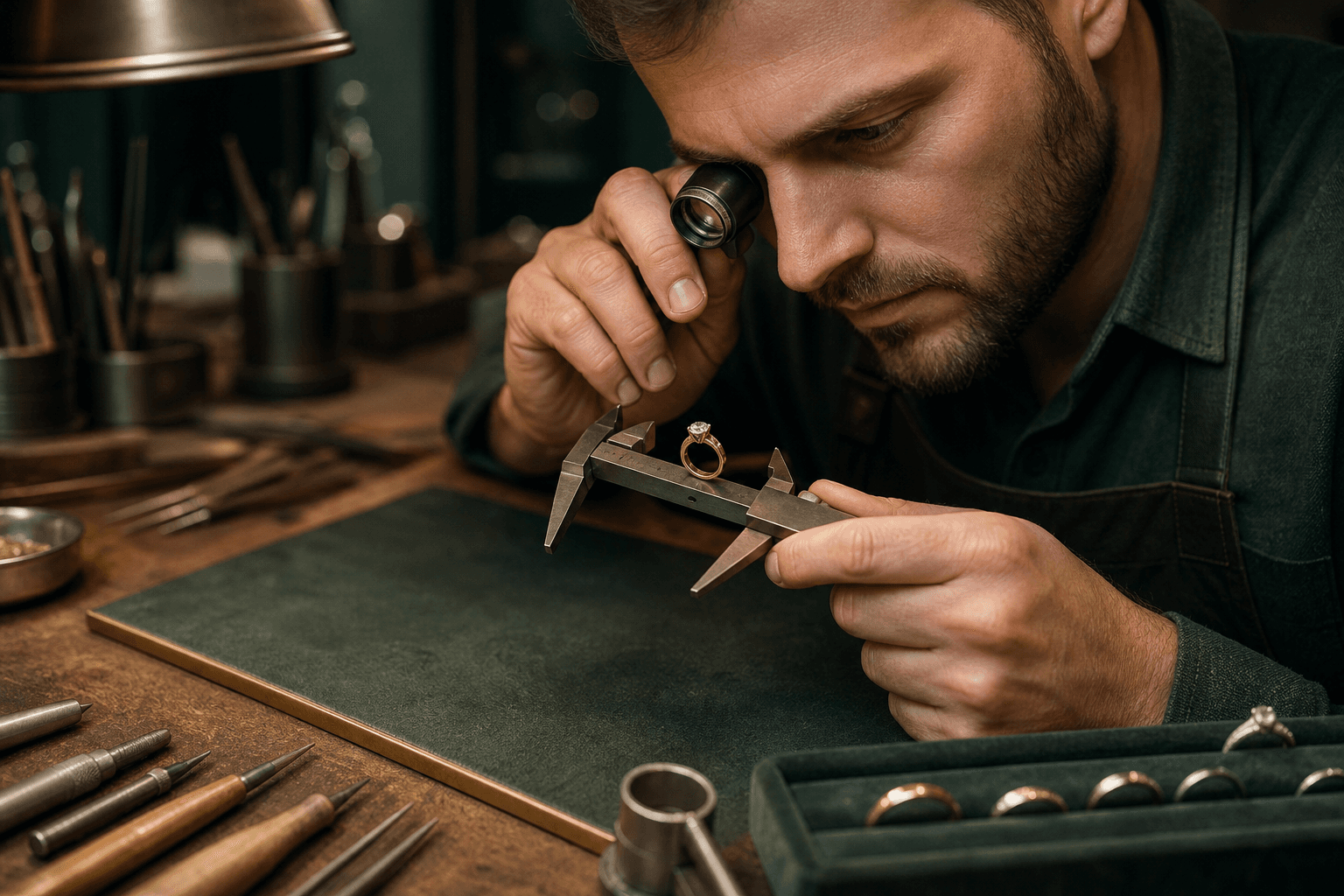
- Document the condition. Take clear photographs before packing. Record scratches, missing stones, bent areas, loose components, discolouration, or other concerns.
- Disclose previous work. Tell Advikosh about modifications, third-party repairs, chemical exposure, or care issues. These may affect eligibility.
- Separate plating from damage. Ask whether the issue is normal finish wear or requires repair, resizing, stone replacement, reconstruction, or work on a damaged component.
- Confirm the finish. Ask whether the piece is being assessed for gold or rhodium replating. Do not assume either finish can be selected freely.
- Confirm shipping responsibility. Ask about the cost of sending the item and having it returned.
- Request a processing estimate. Processing times vary with condition and complexity, so ask for an expected range.
- Wait for approval. Do not ship until eligibility and submission instructions are clear.
Know when replating is not enough
Replating addresses the finish, not every problem underneath it. A new surface finish will not correct a damaged component, missing stone, altered proportion, or structural breakage.
Advikosh specifically excludes repairs, stone replacement, resizing, polishing damaged components, and reconstruction from its lifetime plating service. Ask whether these services are available separately and whether they must be completed before replating.
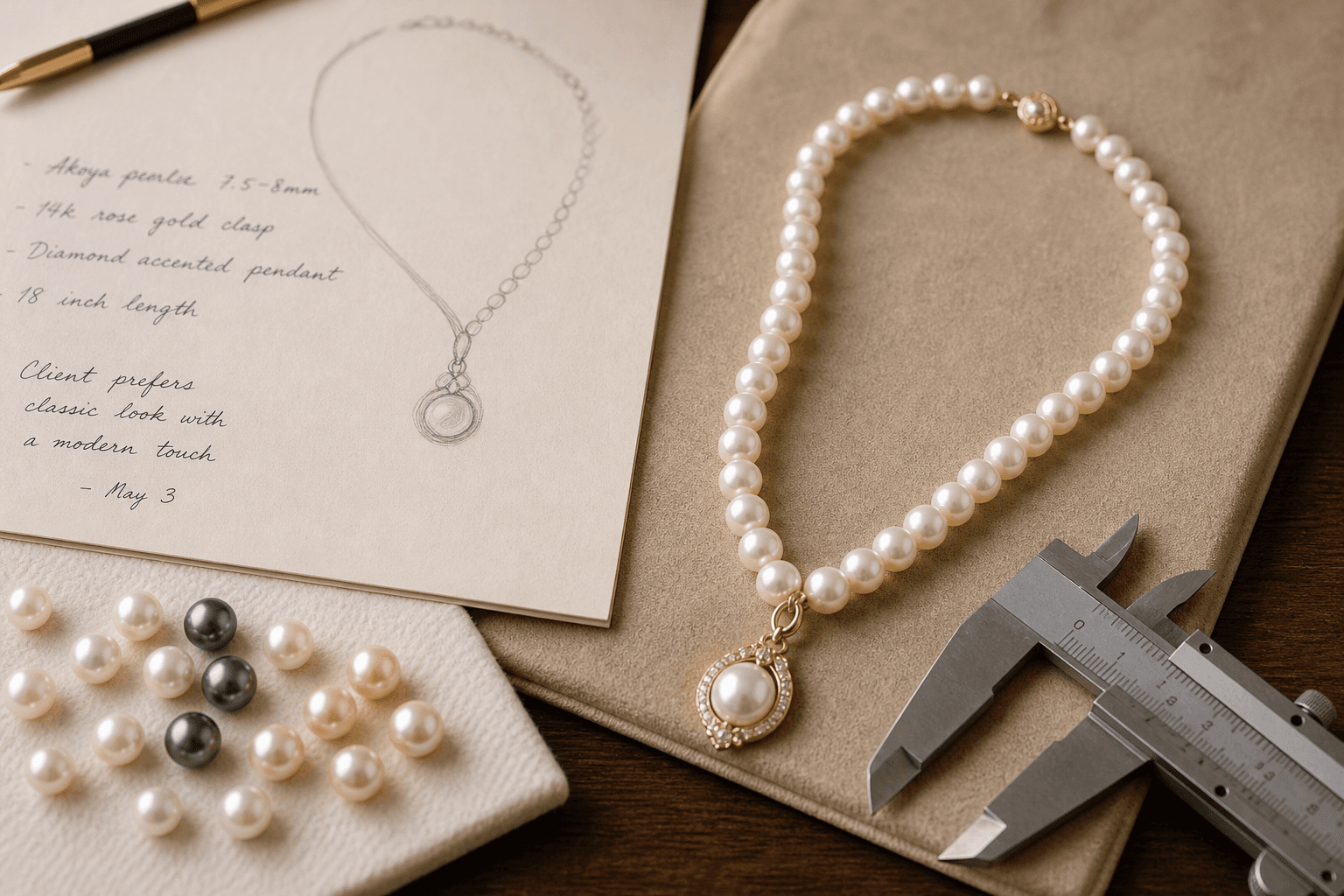
This distinction matters for custom jewelry, where design changes or alterations should be disclosed before service. Advikosh offers custom creations in gold, silver, platinum, and brass, but the material and condition of a particular item still need confirmation.
Care for plated jewelry between services
Good care cannot guarantee a fixed wear period, but it can help you avoid conditions identified in the policy. Keep plated jewelry away from unnecessary chemical exposure and follow the care instructions supplied for the piece.
- Remove jewelry before activities involving chemicals, excessive friction, or impact.
- Store pieces separately so they do not rub together or become tangled.
- Keep jewelry away from products or environments that may affect its finish.
- Do not polish aggressively or attempt an at-home coating or repair.
- Contact the seller when the finish changes, rather than waiting until surface wear is accompanied by structural damage.
These are cautious handling principles, not a promise that the finish will remain unchanged. Ask Advikosh before using an unfamiliar cleaning product or method.
Gold and rhodium replating: what to clarify
Gold and rhodium are different finish options, so the appropriate service depends on the jewelry's original treatment and the result being assessed. Do not assume that any finish can be applied to any piece.
Ask which finish is appropriate, whether it matches the original appearance, and whether any design or material detail affects eligibility. Avoid relying on generic expectations about colour, thickness, durability, or turnaround when the policy does not provide those specifications.
The useful question is not simply, “How long does gold-plated jewelry last?” It is also, “What maintenance service is available for this piece, under what conditions, and what will I be responsible for?”
Read plating claims carefully in Canada
Canadian consumers should distinguish between a jewelry finish description and a post-purchase service promise. The Competition Bureau explains that precious-metal and plating information must not be false or misleading, and provides requirements for items described as gold-plated.
Read the material description, original purchase terms, and replating policy separately. Confirm what is plated, what finish service is offered, whether eligibility is limited to direct purchases, and which work is excluded. The official Competition Bureau requirements for marking precious metals provide further context.
This guidance does not turn a lifetime plating policy into a permanent-wear guarantee. It reinforces the value of precise wording and realistic expectations.
Questions to ask before requesting service
- Was this item purchased directly from Advikosh, and what information verifies it?
- Does the issue appear to be normal wear or damage requiring separate service?
- What inspection is required, and how will approval be communicated?
- Could modification, chemical exposure, improper care, or previous repair affect eligibility?
- Is gold or rhodium replating appropriate?
- Are repairs, resizing, stone replacement, polishing, or reconstruction available separately?
- What will I pay for shipping in both directions?
- What processing range should I expect?
If the piece is customized or altered, ask for guidance before shipping and confirm the policy terms for that specific item.
Is a lifetime plating service worth considering?
It can be useful if you own an eligible piece, understand that replating is maintenance, and are prepared to follow the inspection and shipping process. Its value is access to complimentary gold or rhodium replating for qualifying normal wear, not a promise that the finish will never change.
The tradeoffs are important: eligibility is assessed, exclusions may apply, shipping may be your responsibility, processing time can vary, and structural work is not included. Evaluate the policy before purchase and care for the jewelry in a way that avoids preventable exposure or damage.
Frequently asked questions
Does lifetime jewelry plating mean the finish will never wear off?
No. It generally means access to an eligible replating service. It does not promise permanent unchanged wear or approval of every future request.
Does Advikosh's lifetime replating service cover jewelry bought elsewhere?
The stated policy applies to eligible jewelry purchased directly from Advikosh. Contact the business before sending an item if its purchase source is uncertain.
Can damaged jewelry still qualify?
It must be inspected and approved first. Excessive damage, chemical exposure, improper care, modifications, or unauthorized repairs may affect eligibility, and replating does not include structural repairs.
Who pays shipping costs?
Customers are responsible for sending and receiving shipping costs unless Advikosh states otherwise. Confirm current instructions before shipping.
Does replating include resizing, stone replacement, or repairs?
No. The stated service excludes repairs, stone replacement, resizing, polishing damaged components, and reconstruction. Ask whether separate service is available.
Make the policy part of your purchase decision
A lifetime jewelry plating service can make ongoing maintenance more practical, but only when its limits are clear. Treat it as an eligibility-based replating benefit, not permanent protection, unlimited coverage, or an all-purpose repair promise.
Before sending a piece, confirm the purchase source, document its condition, disclose modifications or previous repairs, ask which finish is appropriate, and clarify shipping and processing expectations. Then follow the care guidance and wait for approval before mailing the jewelry.
For questions about lifetime plating eligibility or custom jewelry, contact Advikosh and confirm the policy terms for your specific piece.