


A lifetime plated jewelry warranty is not a standardized Canadian warranty category or a promise that colour will remain permanent. It is a seller-specific written commitment, so confirm whether it covers replating, which pieces qualify, what wear or damage is excluded, and who pays service or shipping costs.
That distinction matters when you compare a gold-plated bracelet, plan a custom piece, or deal with a finish that has changed. The useful question is not simply whether jewelry has a “lifetime” warranty. It is what the seller has actually promised in writing.
What a Lifetime Plated Jewelry Warranty Means
Lifetime plated jewelry is jewelry with a surface layer applied over another material. A related warranty or service promise concerns what the seller will do if that surface changes during the stated coverage period.
In Canada, there is no single standardized product category called a lifetime plated jewelry warranty. The practical meaning comes from the seller's written terms. The Office of Consumer Affairs describes a manufacturer's warranty as a written guarantee concerning repair or replacement within a specified period, while an extended warranty lengthens the period of coverage. Canadian warranty guidance explains the distinction.
Canadian buyers should also read plating language carefully. The Competition Bureau states that businesses must not apply a mark to a plated article guaranteeing the durability or wear of precious-metal plating for a period of time. That rule makes the exact wording of a seller's offer especially important. Federal guidance on plated articles provides the relevant context.
A seller's promise about plating may concern a future finish service, but it does not automatically include structural repairs, replacement, a refund, accidental damage, or permanent colour. Treat each remedy as a separate term.
Warranty, Replating, Repair, Replacement, or Return?
The right remedy depends on what changed. A worn surface raises a finish-service question, while a broken component raises a repair question. A replacement or refund requires its own policy basis and should not be assumed from a plating promise.
| What you are experiencing | Support to ask about | Why the distinction matters |
|---|---|---|
| Colour looks uneven or the underlying material is showing | Replating or finish service | The issue concerns the surface layer, not necessarily the jewelry's structure. |
| A clasp, chain, prong, or setting is broken | Repair assessment | A plating term may not cover a structural fault. |
| The item arrived damaged or does not match the order | Return, exchange, or defect process | These concerns are usually handled under purchase or return terms, not finish-service terms. |
| You want a different design or a new piece | Exchange, remake, or replacement policy | A service promise does not automatically create a right to a replacement. |
If a plated pendant has lost colour at the edge but the chain, setting, and clasp remain intact, ask the seller whether a finish service is available and under what written terms. If the pendant has a bent bail or broken clasp, ask about repair separately. If the item arrived with a defect, review the seller's return and exchange terms before altering or cleaning it.
Ontario stores and suppliers are not legally required to offer refunds or exchanges in every purchase situation, so buyers should read the seller's policy before ordering. Ontario's consumer shopping guidance explains why return, exchange, and warranty terms should be checked in advance.
A written service promise can be valuable because it gives you a defined route for addressing wear. A broader discussion of warranty-backed repair benefits can help you distinguish repair support from a promise that only addresses the finish.
Separate the Plated Surface From the Jewelry Beneath It

Plating is a surface treatment, so the visible finish and the underlying jewelry are separate parts of the purchase. If the finish wears, the base material still determines what appears underneath and how the piece behaves after the surface changes.
| Construction | What the buyer is choosing | Practical question |
|---|---|---|
| Plated jewelry | A surface layer over a different base material | What finish is used, and what service terms address surface wear? |
| Gold-filled jewelry | A thicker bonded gold layer over a core material | How is the material described, and what care does the piece require? |
| Solid precious metal | Metal whose composition is consistent through the piece, subject to its alloy and purity | What purity, alloy, finish, and maintenance details apply? |
This comparison is about construction, not a guarantee of how long any individual piece will look unchanged. Friction, skin contact, cosmetics, moisture, cleaning products, and the location of the finish all affect visible wear. A ring that contacts hard surfaces repeatedly faces a different pattern of wear from a pendant worn over clothing.
Plated jewelry can fade or tarnish. Fading usually describes a change in the visible surface layer, while tarnishing can involve a reaction at the surface or exposure of the underlying material. The remedy depends on the construction, the finish, and the cause, so aggressive polishing is a poor first response.
For sterling silver or plated pieces, use care instructions suited to the specific construction. A gentle approach is especially important around pearls, soft stones, textured finishes, and thin surface treatments. Safe sterling silver cleaning guidance can help you avoid treating a delicate finish like bare metal.
Terms to Confirm Before Ordering Lifetime-Plated Jewelry
Before paying for lifetime-plated jewelry, ask for the warranty or service terms in writing and read them beside the product or custom-order description. The most useful terms explain the promise without relying on the word “lifetime” alone.
- Eligible pieces: Ask whether the promise applies to ready-made jewelry, custom pieces, specific metals, specific finishes, or every item in the order.
- Meaning of lifetime: Confirm whether it refers to the original owner, the life of the piece, a defined service period, or another written condition.
- Covered finish issue: Ask whether ordinary loss of colour, uneven wear, tarnishing, or exposure of the base material can qualify for service.
- Exclusions: Ask about scratches, dents, bending, accidental damage, chemical exposure, unauthorized alterations, and heavy wear.
- Service provided: Confirm whether the remedy is inspection, cleaning, polishing, replating, repair, replacement, credit, or another option.
- Fees and shipping: Ask whether labour, materials, inspection, taxes, packaging, and return shipping are included or charged separately.
- Timing: Ask how long assessment and service normally take, especially if the jewelry is needed for a wedding, gift, or other fixed date.
- Repeat service and transfer: Confirm whether service is available more than once and whether the promise follows the jewelry or only the original purchaser.
- Care obligations: Check whether particular cleaning products, activities, or alterations can affect eligibility.
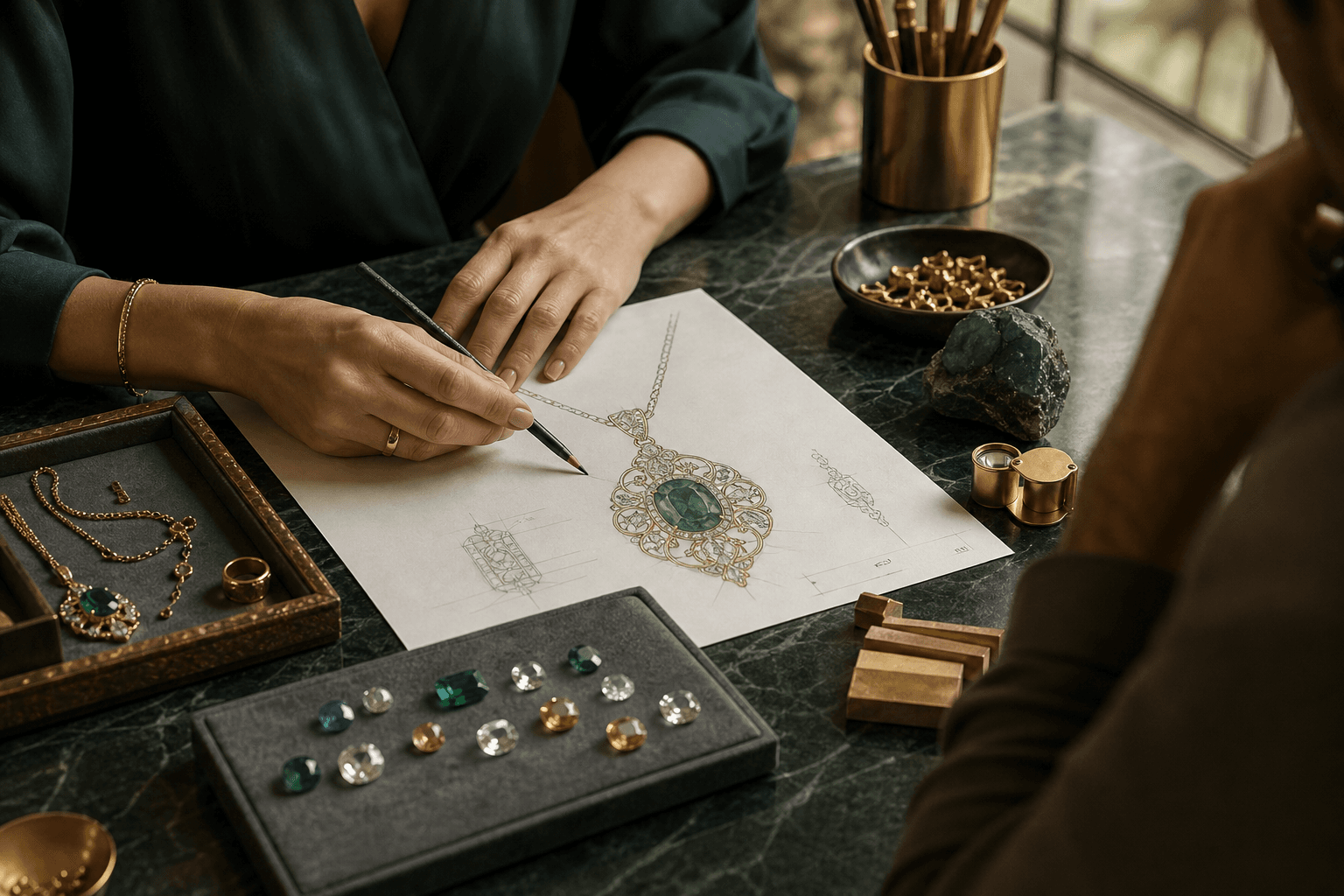
For a custom piece, also confirm the base material, finish name, design approval, price, delivery terms, and aftercare route before production begins. A practical custom jewelry preparation checklist can help organize those questions before requesting a quote.
What to Do If the Finish Changes

If plated jewelry fades, document the condition before cleaning or modifying it, then ask the seller which written warranty or service terms apply. Do not assume that a visible change qualifies for free replating, repair, replacement, or a refund.
- Stop abrasive treatment. Do not scrub, polish aggressively, or apply a strong silver dip before asking for support. Those actions can remove more of the finish or make the original condition harder to assess.
- Photograph the piece. Use natural light and take close images of the affected area, plus wider images showing the whole item. Avoid filters that change the colour.
- Record the order details. Include the order number, purchase date if available, item description, and whether the piece was ready-made or custom.
- Describe the change precisely. Say where the finish changed, when you noticed it, how often the piece was worn, and whether it contacted water, cosmetics, perfume, cleaning products, or hard surfaces.
- Ask for the remedy in writing. Request confirmation of eligibility, inspection requirements, possible fees, shipping responsibility, and expected timing.
Advikosh's FAQ says its consultants guide customers through customization or ordering questions, including designs based on a sketch, photo, or personal idea. For a finish concern, send a clear description and ask the seller to identify the applicable written terms before mailing the jewelry anywhere.
Questions Buyers Commonly Ask
Does a lifetime plated jewelry warranty mean the plating never wears off?
No. It generally describes a seller's written promise about a future service or remedy, not a guarantee that the finish will remain unchanged. Ask whether ordinary wear qualifies for service and which exclusions apply.
Does a jewelry warranty usually cover tarnishing or accidental damage?
Not automatically. Tarnishing, scratches, dents, chemical exposure, and accidental damage can be treated differently from ordinary finish wear, so the written exclusions control the practical answer.
What should I send a seller if my plated jewelry is fading?
Send the order number, purchase date if known, item description, clear natural-light photographs, and a short description of where and how the finish changed. Ask which written warranty or service terms apply and request information about inspection, fees, shipping, and timing before mailing the piece.
Is replating the same as repairing or replacing jewelry?
No. Replating renews or changes the surface finish, repair addresses a structural or functional problem, and replacement provides another piece. A plating promise does not establish repair, replacement, refund, or exchange rights unless the seller's written terms say so.
Choose the Next Step With Advikosh
For a new personalized piece, decide first whether the material and finish suit how you will wear it, then request the plating, care, service, and cost terms in writing. For an existing piece, document the finish concern and ask for a written assessment before using an outside cleaner or jeweller.
Advikosh's FAQ addresses customization questions involving designs, sketches, and photos. If you are planning a personalized piece, review its custom jewelry service and ask how the selected finish will be maintained after purchase.