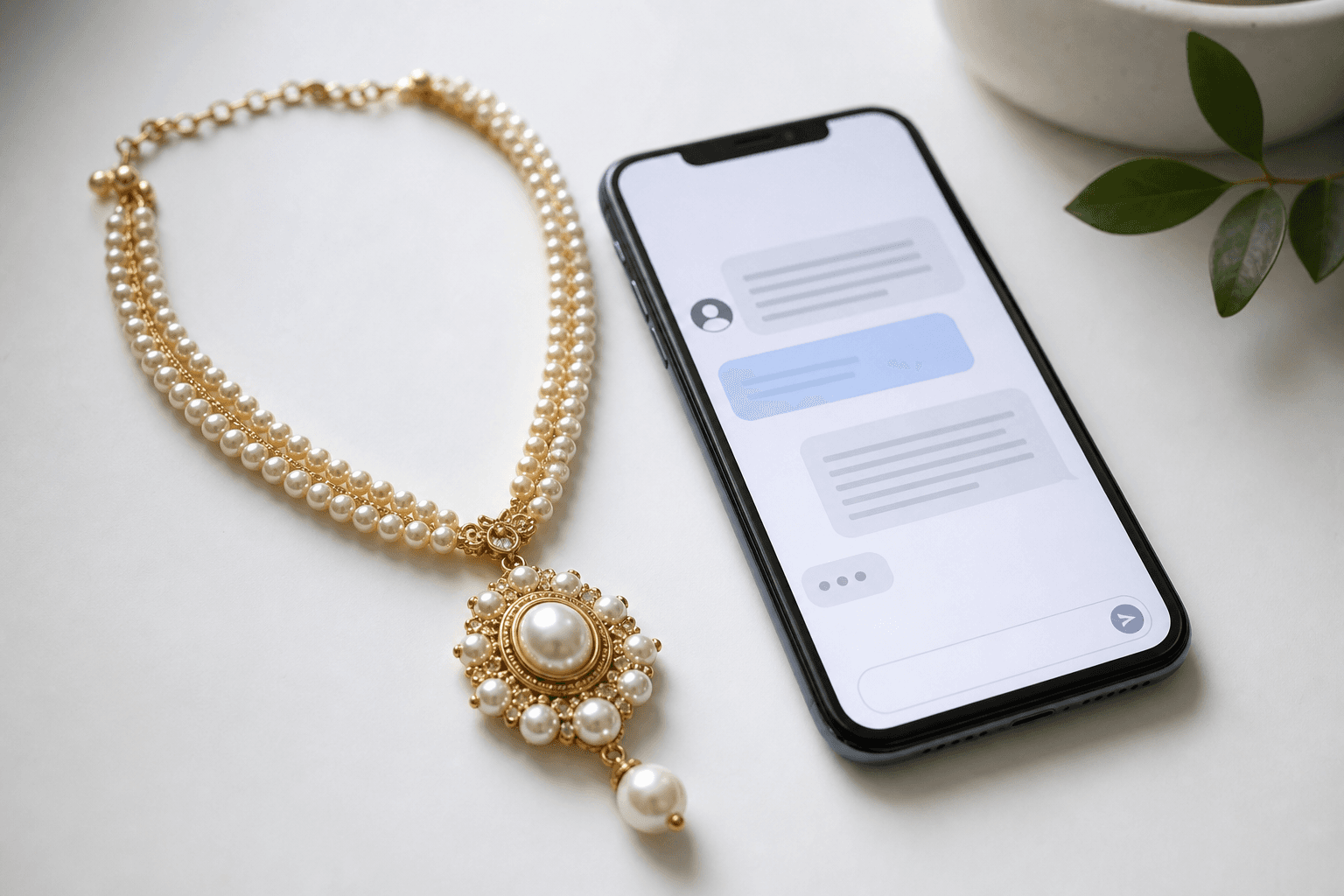



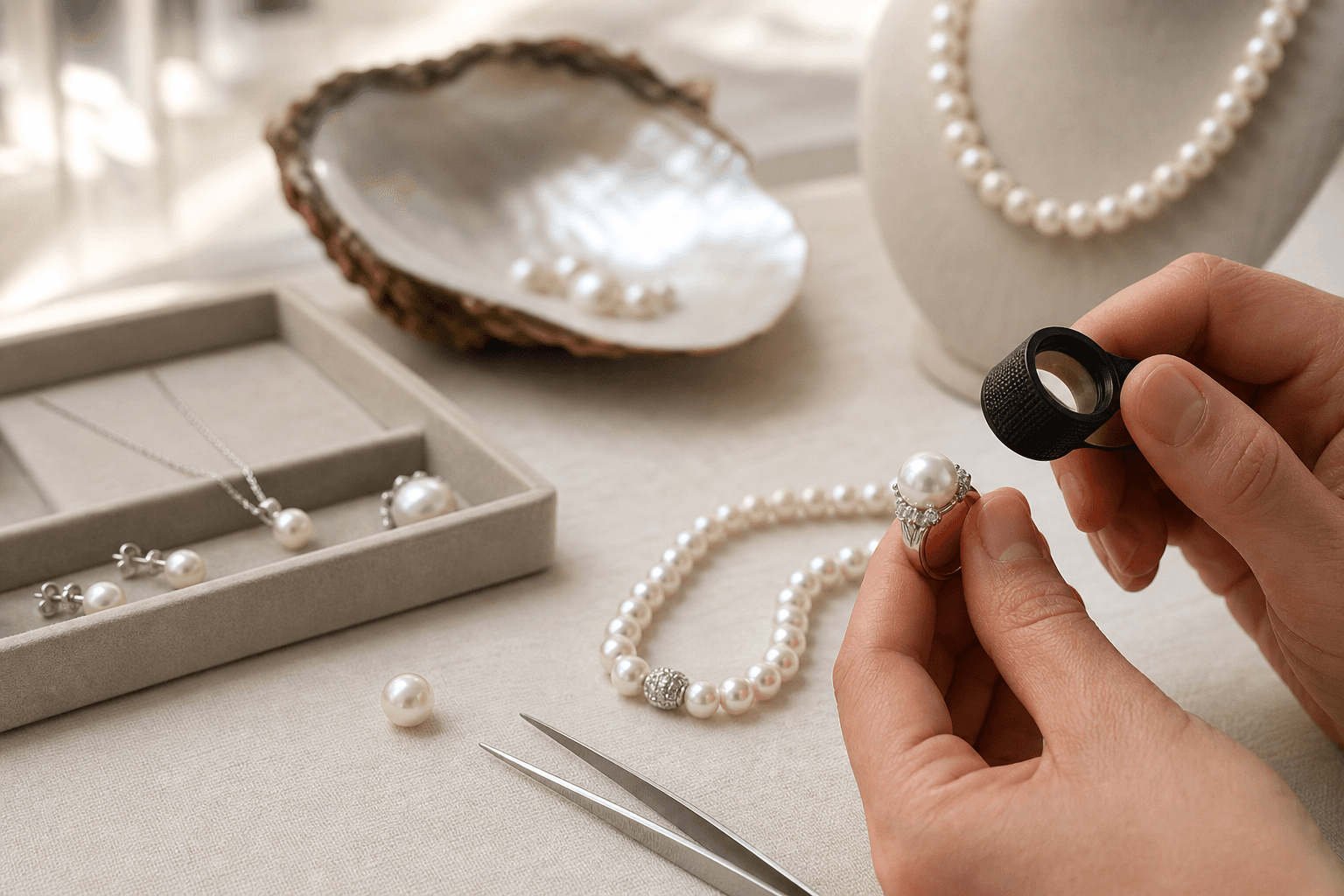

Pearl jewelry is easy to admire and detailed to evaluate. This seven-point checklist walks you from intended use to seller trust so you can choose pearls online in Canada with confidence. Use it on product pages or during a custom enquiry to verify quality, confirm authenticity, pick the right pearl family for the occasion, and check construction and seller protections.
-
Decide intended use and set a realistic budget
Start by answering two questions: how often will the piece be worn, and what level of formality is expected? Daily wear demands simpler designs and sturdier construction. Milestone or formal pieces allow larger, rounder pearls and more elaborate settings. Write a short budget range that separates what you will spend on the pearls themselves and what you will spend on metal, setting, and labour. This makes trade-offs clearer when you compare listings.
Example: for a weekday stud set, plan a modest pearl budget and favour smaller Akoya or freshwater pearls with solid metal posts. For a wedding strand, increase the pearl budget and prioritise size and matching. The Pearl Source and other buyer guides explain how occasion and frequency shape sensible choices.
-
Choose the pearl type that matches look and budget
Pearls fall into common families: freshwater, Akoya, Tahitian, South Sea, baroque, and imitation. Freshwater pearls are a budget-friendly option and suit casual or beaded styles. Akoya pearls are the classic white studs and strands, known for firm luster. Tahitian and South Sea pearls are larger and present dramatic tones, which increases cost. Baroque pearls offer irregular, artistic shapes for unique designs. Imitation pearls are a separate, low-cost category and should be labelled as such.
Remember that cultured pearls are genuine pearls and make up most modern market stock. If a listing does not clearly name the type, ask the seller to confirm. For custom work, choose the pearl family first and plan the metal and setting around that choice. Rosec Jewels and other seller guides explain the difference between cultured and imitation pearls so you can interpret product labels correctly.
-
Judge luster and nacre quality first

Luster is the single most visible quality factor for pearls. High luster looks like a sharp, mirror-like reflection where surface detail appears crisp. Nacre is the layered material a mollusc deposits, and its thickness influences both sheen and durability. Thin nacre produces soft, chalky reflections that will dull sooner than thicker nacre.
When evaluating photos, prioritise listings that show crisp reflections and allow you to see surface detail. If descriptions mention nacre thickness or quality, treat that information as a positive signal. The Gemological Institute of America lists luster and nacre as core factors to compare when judging pearl quality.
-
Inspect surface, shape, size and matching
Surface condition, shape and size affect how a pearl looks and how much it costs. Look for pits, spots, chips and other blemishes in product close-ups. Decide if you want near-round pearls for a classic look or baroque pearls for a distinct, artistic style. Larger pearls usually read as more formal and carry a premium price.
For multi-pearl pieces such as strands or matched earrings, matching across colour, size and luster is important. Better matching usually means higher value and a more coherent visual result. The GIA buyer's guide lists size, shape, colour, surface quality and matching as the standard attributes used to assess pearl value.
How to inspect product photos and descriptions
- Zoom in to check reflections and surface clarity. Sharp highlights suggest higher luster.
- Look at drill holes and the pearl edge to spot chipping or poor finishing.
- Confirm the pearl diameter in millimetres and compare it to any scale photos.
- Open multiple angles so you can see the pearl-to-setting junction and clasp details.
- If the listing has only stylized images, ask the seller for high-resolution close-ups before buying.
-
Check construction and settings for long-lasting wear
Pearls are organic and require correct mounting and periodic maintenance. For studs and drop earrings, verify the method used to attach the pearl, such as pegging into a post or secure adhesive practices common to the style. For necklaces, check whether the strand is knotted between pearls and what thread type is used. Knots limit abrasion and prevent all pearls in a strand from scattering if the strand breaks.
Metal choice matters: sterling silver and solid gold offer more durability than thin plating for daily wear. Ask about recommended restringing intervals and any warranty, repair or lifetime plating services the seller offers. Buying guides such as Sophia Jewelers highlight construction and restringing as practical durability considerations when choosing pearl jewellery.
-
Verify authenticity and seller trust signals

Online, you cannot touch a pearl, so rely on clear labels, documentation and seller practice. Confirm whether the listing states natural, cultured freshwater, Akoya, Tahitian or South Sea, or identifies the item as imitation. If the seller offers lab reports or provenance statements, include them in your evaluation. Independent customer reviews and transparent policies are practical trust signals.
Check that a Canadian seller displays prices in CAD and that shipping costs, expected delivery times and return terms are clear. Prefer sellers who publish returns, repair or care policies and who offer responsive support contacts. For example, Advikosh lists free shipping on all orders, 24/7 online support, and one free return or exchange within seven days, which reduce the risk of buying sight-unseen.
-
If commissioning custom work: what to bring and what to ask
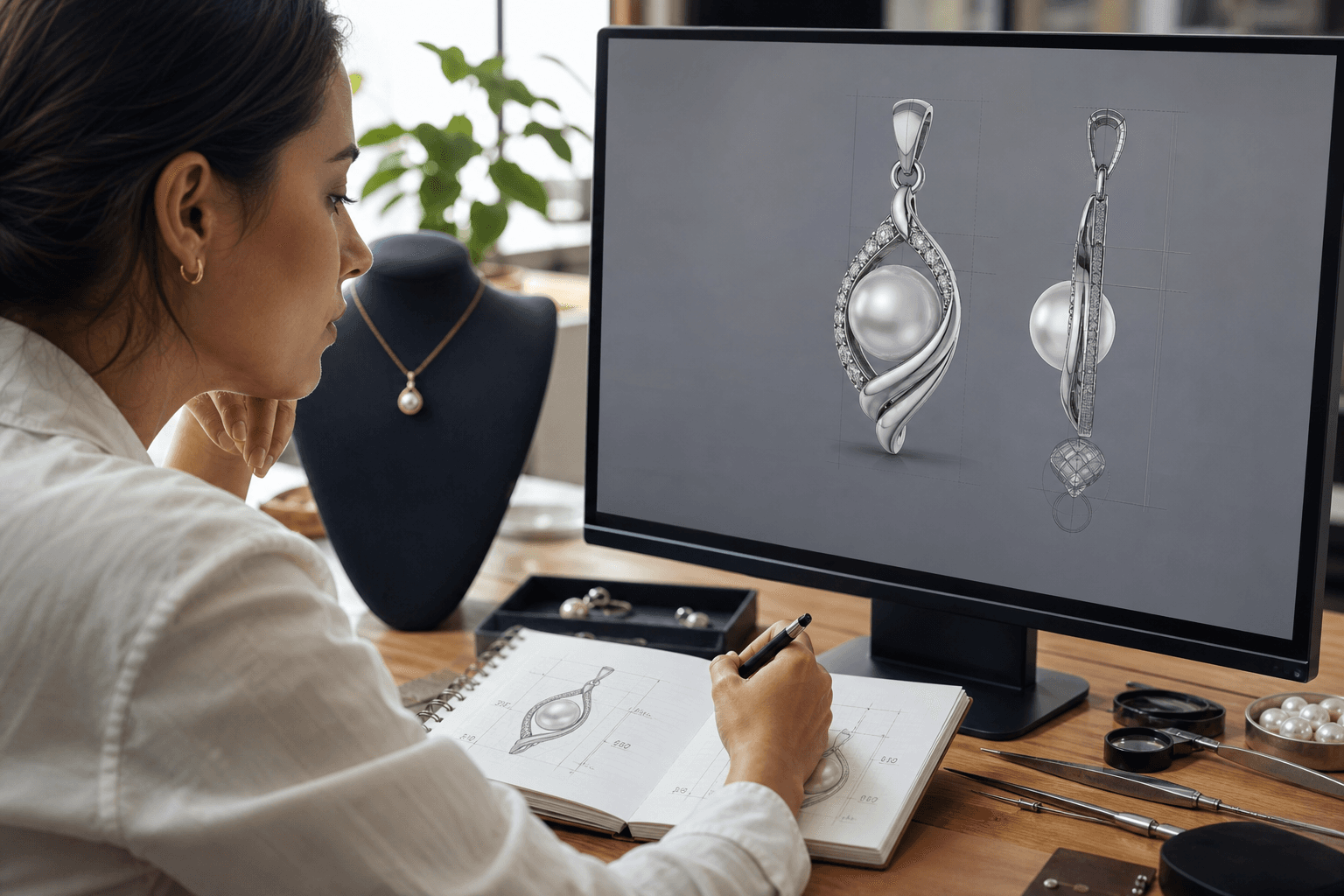
For bespoke pearl jewellery, prepare clear references, a firm budget range and a target timeline. Bring inspirational images, sketches or an example piece and specify preferred metals and finish. Ask the maker about pearl sourcing, the expected nacre and luster standards, and whether they can provide sample photos or CAD mockups prior to finishing the piece.
Agree deposit and approval milestones so you can sign off on pearl selection and setting before production moves forward. Also confirm shipping, insurance and repair or care policies. The Pearl Source and other guides recommend staged approvals and clear communication to reduce surprises. If you want to start a custom enquiry, reference Advikosh's "Your design, our craftsmanship" service to speed the process.
Short checklist to use on any product page
Before you buy, run these five quick checks: the listing names the pearl type, close-ups show sharp luster, size is given in millimetres, settings and clasps are shown clearly, and the seller publishes returns and contact details. If any item is missing, message the seller for better photos or a written clarification.
Frequently asked questions
How can I tell if pearls are real when shopping online
Look for explicit labels such as cultured freshwater, Akoya, Tahitian or South Sea, or a clear statement that the pearls are imitation. Request high-resolution close-ups showing reflections, drill holes and the pearl edge. Ask the seller for lab reports or provenance when available. Guides from established sellers note that cultured pearls are genuine and widely sold, while imitation pearls should always be labelled separately.
What pearl type is best for everyday wear
Freshwater pearls and smaller Akoya pearls are often the most practical everyday choices because they balance appearance, cost and wearability. For daily wear, prioritise secure construction, solid metal settings and pearls with durable nacre and good luster.
Do cultured pearls need special care and how often should I restring a pearl necklace
Pearls are sensitive to chemicals, cosmetics and abrasion. Wipe them with a soft cloth after wearing and store them separately to avoid scratching. Restringing frequency depends on how often you wear the piece. Many experts recommend restringing frequently worn necklaces every one to three years. Ask the seller for their restringing guidance and whether they offer repair services.
What seller policies should I confirm before I buy pearl jewelry online in Canada
Confirm that prices are shown in CAD, check shipping fees and estimated delivery windows, read the returns and exchanges policy, and verify support contact options. Sellers who publish clear return, repair and contact policies lower the risk of buying sight-unseen. Policies such as free shipping, easy returns and accessible support are useful trust signals to prioritize.
Key takeaway: use the seven checks consistently. Prioritise luster and nacre, confirm type and matching, inspect construction details, and verify seller protections. If a product page lacks essential information, ask direct questions or request high-resolution photos. With careful attention to these points, you can buy pearl jewelry online in Canada with more certainty and less risk.
Ready to view curated pearl collections or start a custom enquiry? Visit Advikosh to explore their pearl range or to begin a bespoke project.
Selected references: GIA pearl buyer's guide, The Pearl Source educational pages, Sophia Jewelers buying guide, Rosec Jewels article on real versus imitation pearls, and contemporary pearl bracelet buying guides for quality notes.