

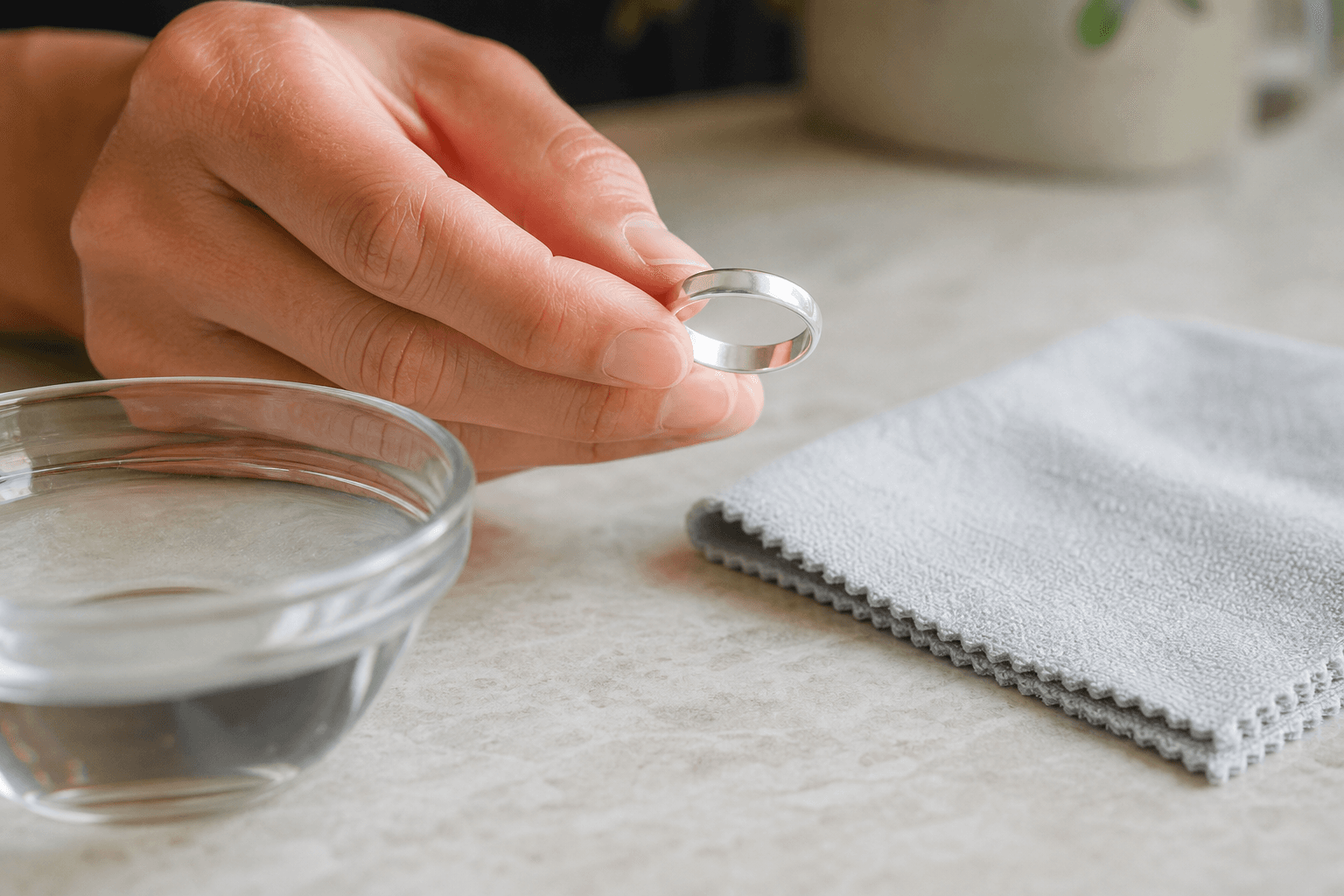
Sterling silver jewelry cleaning is not a one-method task. A simple, uncoated sterling silver piece may tolerate cautious home care, but jewelry with pearls, gemstones, plating, coatings, hollow sections, soldered joins, or unknown construction needs a more careful approach.
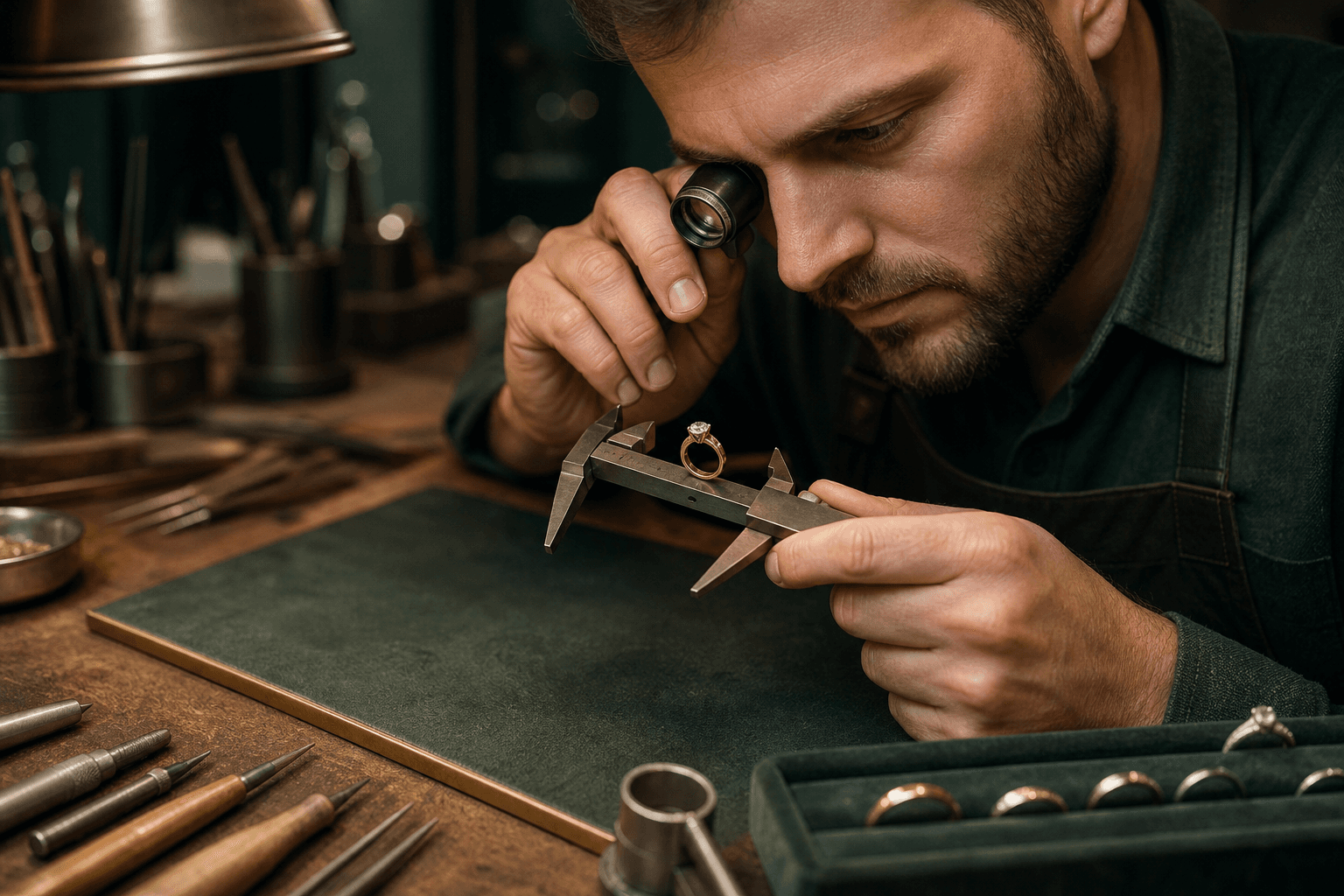
Before removing tarnish, identify what the piece is made of and how it was constructed. The Canadian Conservation Institute recommends examining marks, joins, hollow areas, and attachments before cleaning silver, because an unsuitable method can damage more than the tarnish you are trying to remove.
Why sterling silver tarnishes
Sterling silver is typically an alloy containing 92.5% silver and 7.5% copper. The copper makes the alloy more reactive than pure silver, which is why sterling silver can tarnish over time. The Canadian Conservation Institute’s guidance on silver tarnish explains this relationship.
Tarnish is a surface change, not automatic proof that the jewelry is ruined. However, removing it can also remove surface detail, plating, or material if the cleaning method is too abrasive. Tarnish, dirt, and damage are different problems, so identification should come before polishing.
Check the jewelry before cleaning

Look for a hallmark or other identifying mark, but do not assume a mark tells you everything about the piece. Examine the entire item for a plated or coated finish, gemstones, pearls, soldered joins, hollow sections, glued components, fabric, enamel, or other non-metal attachments.
Pay particular attention to areas where moisture or friction could become trapped. If you cannot determine whether the piece is solid sterling silver, silver-plated, coated, or made from mixed materials, pause before experimenting.
Separate routine cleaning from tarnish removal. Removing dust, skin oils, and surface residue is generally a gentler first step. Trying to brighten darkened silver is a more active treatment and carries a greater risk of wearing away detail or another finish.
Which pieces may be suitable for cautious home care?
The table below is a screening guide, not a guarantee. When in doubt, choose the more cautious option.
| Piece or finish | Home-care decision | Why caution is needed |
|---|---|---|
| Plain, uncoated sterling silver with no fragile attachments | May be suitable for gentle cleaning after inspection | Excessive rubbing can still damage details. |
| Silver-plated jewelry | Do not treat it like solid sterling silver | Abrasive cleaning can wear through the thin silver layer. |
| Plated, coated, oxidized, or intentionally finished jewelry | Pause and confirm the finish | Polishing may remove or change the intended surface treatment. |
| Pearl jewelry | Avoid improvised silver treatments | Pearls and their settings may not tolerate the same moisture, chemicals, or friction as plain silver. |
| Gemstone jewelry | Use material-specific advice or qualified help | Stones, settings, treatments, and adhesives can respond differently to water, chemicals, and abrasion. |
| Hollow, soldered, antique, damaged, or unfamiliar jewelry | Seek advice before cleaning | Moisture, pressure, or polishing can affect joins, cavities, fragile details, or existing damage. |
A gentle sterling silver jewelry cleaning process
1. Prepare a controlled workspace
Work over a stable, clean surface where a small piece cannot fall into a drain. Keep separate cloths or materials for cleaning and drying, and remove anything abrasive from the workspace. Do not begin with a chemical product simply because the jewelry looks dark.
2. Remove loose dust and surface dirt first
Use a soft, clean method to remove loose particles before considering tarnish removal. The Canadian Conservation Institute advises removing dust, dirt, and grease first, because hard particles can act as abrasives during polishing. Its guidance on caring for metal objects also emphasizes using the softest appropriate method.
3. Use only a mild approach for confirmed plain sterling silver
If the piece is confirmed as simple, uncoated sterling silver with no vulnerable attachments, use a mild cleaning approach rather than an aggressive tarnish remover. A small amount of gentle detergent in water may be appropriate for some silver objects, but non-metal parts should not be allowed to get wet. The Canadian Conservation Institute narrows this advice according to an object’s construction.
Do not soak a piece merely because it is labelled sterling silver. If it has a stone, pearl, coating, hollow area, soldered section, or attachment, keep the cleaning method limited and seek advice when the construction is uncertain.
4. Remove residue carefully
After a suitable gentle cleaning, remove remaining residue without forcing moisture into settings, joins, or hollow sections. Avoid prolonged contact with water and do not use pressure to work liquid into detailed areas.
5. Dry completely and inspect again
Dry the jewelry thoroughly with a clean, soft material and inspect it under good light. Look for loose stones, lifted plating, weakened joins, remaining residue, or a finish that appears different from before. If anything looks worse or unstable, stop rather than repeating the treatment.
What to avoid during silver tarnish removal
Popular household remedies are not universal solutions. Avoid toothpaste, baking soda, salt, foil, vinegar, lemon juice, or other improvised mixtures. Their abrasiveness, acidity, chemical reaction, or heat can affect silver and non-silver components differently.
- Aggressive rubbing: Repeated pressure can wear away fine details, a thin plated layer, or an intentional finish.
- Ammonia-containing polish: The Canadian Conservation Institute warns that some commercial silver polishes containing ammonia can dissolve copper from sterling silver or from the base metal beneath silver plating. Read its caution about commercial silver polishes and over-cleaning before choosing a product.
- Commercial dips: A liquid that works quickly may also reach settings, cavities, coatings, or attachments where it does not belong.
- Hard or rough materials: Scouring pads, stiff brushes, and abrasive powders can scratch or alter the surface.
- Unverified cross-material advice: Metallic epoxy maintenance concerns a different material and should not be transferred to sterling silver, pearls, or gemstones.
Special care for pearls, gemstones, plating, and delicate details
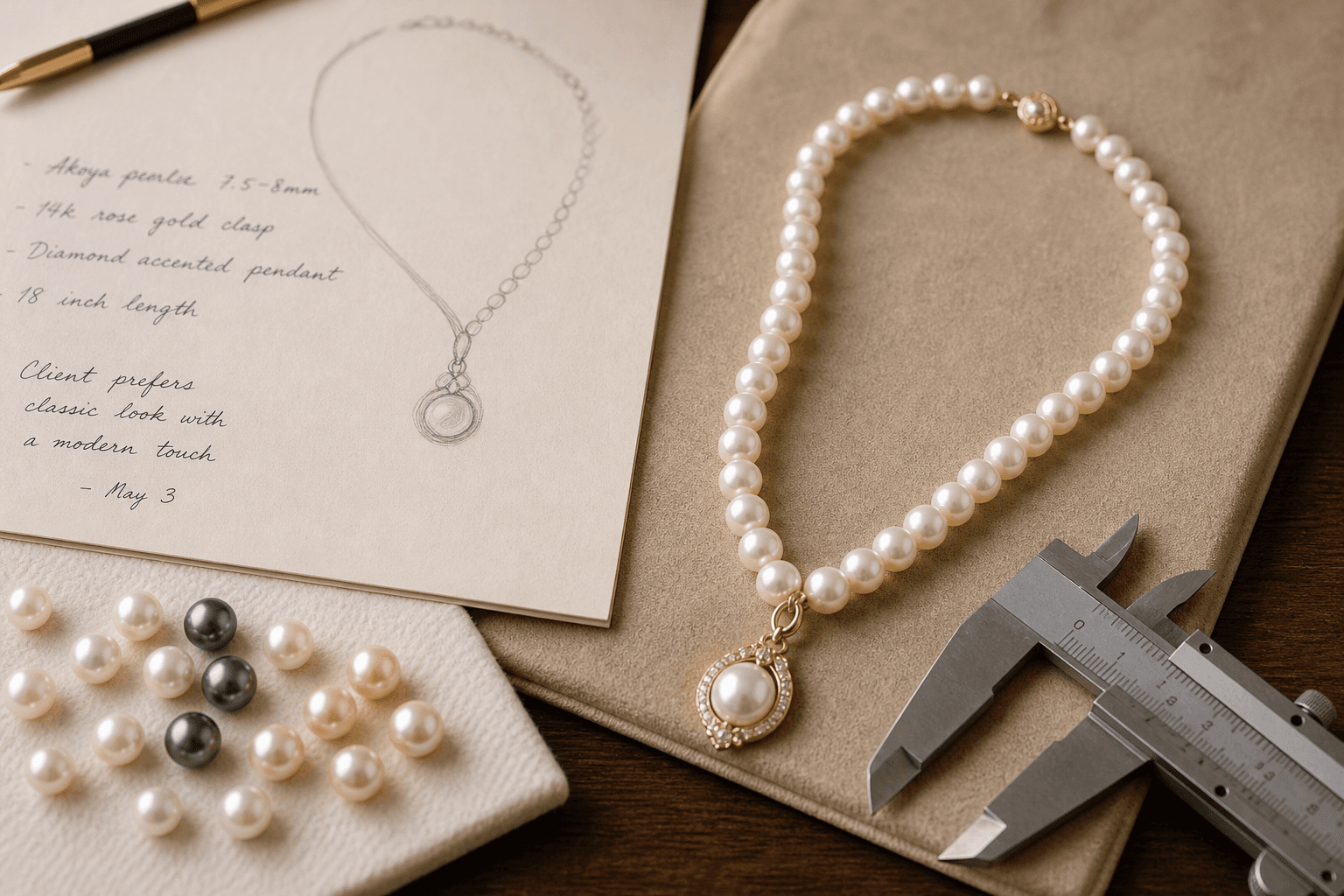
Pearl jewelry should not automatically receive the same treatment as plain sterling silver. A pearl may be attached to metal, threaded, mounted, or combined with other materials, and the complete design determines what can safely become wet or receive friction.
Gemstones also need individual consideration. Their hardness, treatments, settings, adhesives, and surrounding materials can vary. Even when the stone itself appears durable, the setting or attachment may be the vulnerable part of the piece.
Plated and coated jewelry require special caution because the visible finish may be thin or deliberately altered. Polishing can change the colour, remove plating, expose the underlying metal, or make wear more visible.
How to reduce future tarnish
Tarnish prevention begins with limiting residue and unnecessary exposure. The goal is not to promise that sterling silver will never tarnish, but to reduce the need for aggressive cleaning.
- Handle jewelry with reasonably clean, dry hands when possible.
- Remove dust, dirt, and grease before putting a piece away.
- Make sure the jewelry is fully dry before storage.
- Keep pieces from rubbing against rough or abrasive surfaces.
- Store delicate or mixed-material jewelry so chains, stones, pearls, and attachments are not pressed together.
- Inspect jewelry periodically for looseness, lifted plating, corrosion, or damaged joins before wearing it.
When to stop and seek professional help
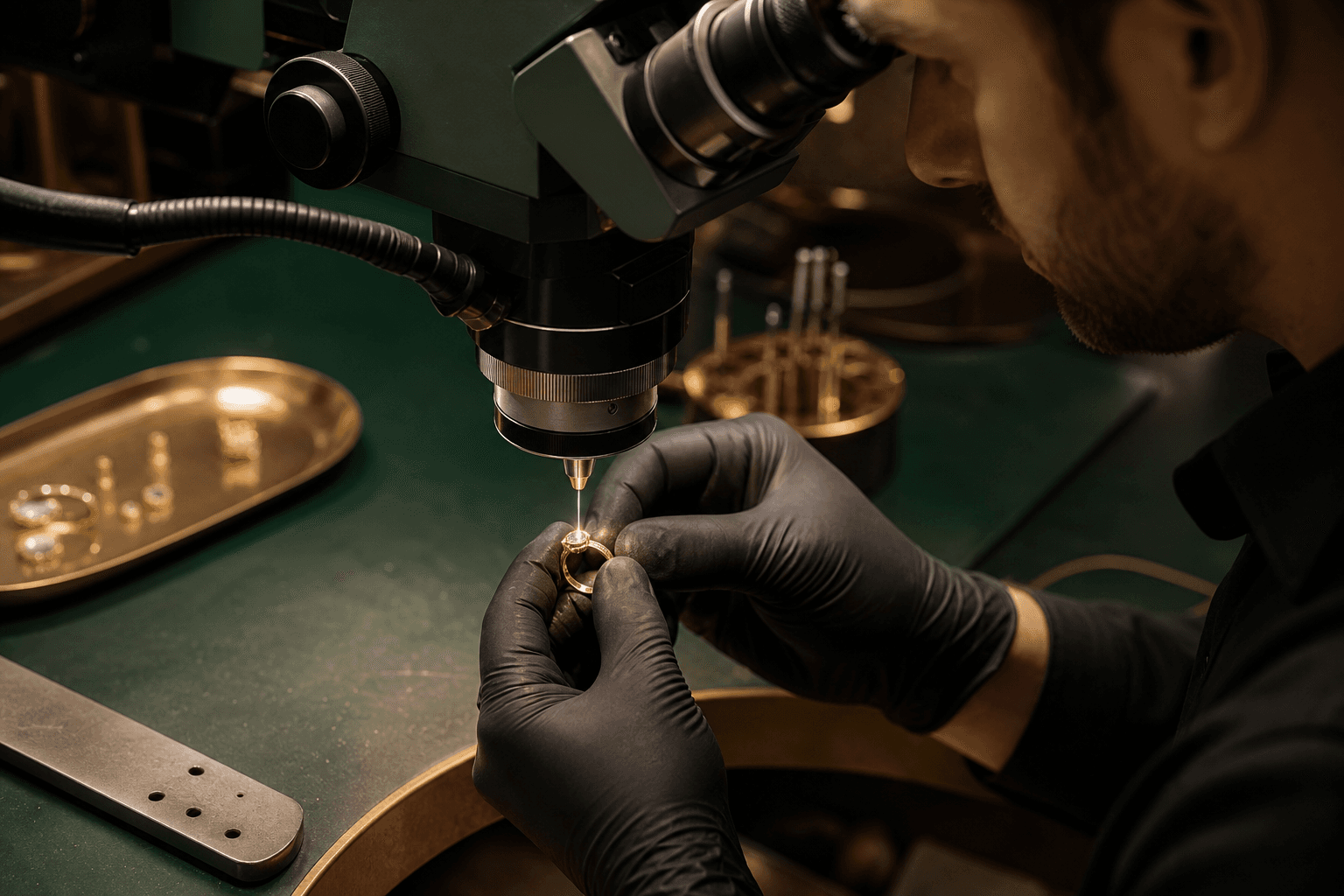
Choose qualified jewelry or conservation advice instead of home cleaning when the piece is valuable, antique, sentimental, heavily tarnished, plated, coated, hollow, damaged, or made from materials you cannot identify. Professional cleaning, repair, restoration, and conservation are separate services, so ask what assessment and treatment are actually being offered.
Stop immediately if a stone moves, a setting catches, plating lifts, a join opens, a surface changes unexpectedly, or residue remains in a difficult-to-reach area. The Canadian Conservation Institute’s broader metal-care resources explain why different objects may require different treatment.
Sterling silver care checklist
- Identify the metal and finish before cleaning.
- Check for pearls, gemstones, coatings, plating, hollow areas, soldered joins, and non-metal attachments.
- Remove loose dust and surface dirt before attempting tarnish removal.
- Use the mildest suitable approach only on a confirmed plain sterling silver piece.
- Avoid ammonia-based products, commercial dips, abrasive materials, and untested household remedies.
- Prevent unsuitable moisture from reaching settings, attachments, or hollow sections.
- Dry thoroughly and inspect the piece before wearing or storing it.
- Stop when the construction, material, or result is uncertain.
FAQ
Is tarnished sterling silver jewelry ruined?
Not necessarily. Tarnish is a surface change and does not automatically mean the jewelry is beyond use. However, darkening may coexist with worn plating, corrosion, weakened joins, or other damage, so inspect the piece before trying to remove it.
Can silver-plated jewelry be cleaned the same way as sterling silver?
No. Silver plating is a thin layer over another metal, so abrasive polishing or repeated treatment can wear through it. Confirm the finish and choose a method that will not remove the visible silver layer.
Can I clean sterling silver jewelry with pearls or gemstones at home?
Do not assume that you can use the same process as for plain sterling silver. Pearls, gemstones, settings, coatings, and attachments may react differently to moisture, chemicals, and friction. If the piece is valuable or its construction is unclear, seek qualified advice first.
When should I choose professional jewelry cleaning instead of cleaning sterling silver at home?
Choose professional advice for valuable, antique, sentimental, fragile, plated, hollow, damaged, heavily tarnished, or unfamiliar pieces. It is also safer when a stone is loose, a finish is lifting, or you cannot identify the materials.
Conclusion
Safe sterling silver jewelry cleaning starts with a decision, not a product. Plain, uncoated sterling silver with simple construction may be suitable for cautious home care after surface dirt has been removed. Jewelry with pearls, gemstones, plating, coatings, hollow sections, soldered joins, or unknown materials deserves a more limited approach or qualified help.
Advikosh offers sterling silver jewelry within its Canadian online collections and provides custom jewelry design and fabrication for customers developing a personalized piece. Review the materials and construction before planning the care of any new design.